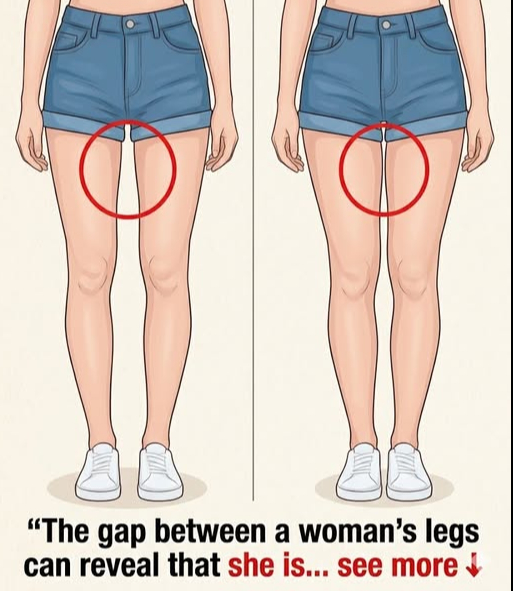
What Is a Thigh Gap?
A thigh gap simply refers to the space between the inner thighs when a person stands upright with their feet together.
It is a natural physical trait, not a measure of fitness, health, or attractiveness. Like many aspects of the human body, it varies from person to person.
Why Some People Have It — and Others Don’t
Whether someone has a thigh gap is largely determined by body structure, not lifestyle choices alone.
Key factors include:
- Hip width
- Pelvic shape
- Bone alignment
- Muscle and fat distribution
Because of these natural differences, many people will not have a thigh gap—even if they are healthy and active. This is completely normal.
Is It a Sign of Health?
A thigh gap is not an indicator of overall health or fitness.
Health is better understood through factors such as:
- Balanced nutrition
- Physical strength and endurance
- Mental well-being
- Consistent, healthy habits
Someone can be healthy without a thigh gap, just as someone can have one without being in optimal health.
The Risks of Focusing on Appearance-Based Goals
Chasing specific body trends can sometimes lead to unhealthy habits, such as overly restrictive eating or excessive exercise.
Experts generally recommend focusing on sustainable, health-centered goals instead of appearance-based ideals. Supporting your body’s needs is more important than trying to match a trend.
The Influence of Media and Beauty Standards
Media and online content often highlight certain body types that may not reflect natural diversity.
Repeated exposure to these images can create unrealistic expectations. Recognizing this influence can help build a more realistic and positive understanding of body image.
Understanding Natural Body Diversity
Every body is different. Fat distribution, bone structure, and overall shape vary widely between individuals.
For example, fat stored in the hips and thighs is a normal and natural part of human biology. It does not indicate anything negative about a person’s health.
What Truly Matters for Well-Being
Instead of focusing on a specific physical feature, it is more helpful to prioritize overall wellness.
Ask yourself:
- Do I feel strong and capable?
- Do I have energy throughout the day?
- Am I supporting my body with good habits?
These are far more meaningful indicators of health than any single visual trait.
A Healthier Perspective on Body Image
There is a growing awareness that bodies come in many shapes and sizes—and that all can be healthy.
Whether someone has a thigh gap or not does not define their worth, health, or confidence. Embracing this diversity can lead to a more positive relationship with one’s body.
Final Thoughts
The concept of a thigh gap is often misunderstood. It is simply a natural variation in body structure—not a goal or a measure of health.
Focusing on balance, strength, and well-being can help create sustainable habits and a healthier mindset.
In the end, true wellness is about how your body functions and feels—not how closely it matches a trend.