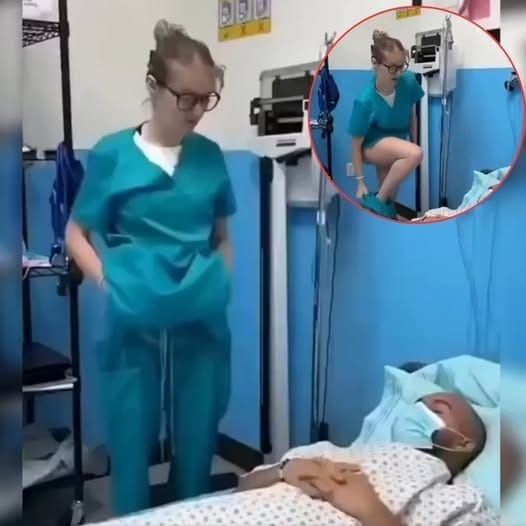
Concerns About Privacy and Professional Standards
Healthcare environments are built on trust, discretion, and patient protection.
Medical professionals are generally expected to follow strict ethical and legal standards designed to safeguard:
- Patient dignity
- Confidentiality
- Safety
- Professional boundaries
Experts note that even unverified online clips can create concern if they appear to show inappropriate conduct in clinical spaces.
How Viral Content Spreads So Quickly
Digital media analysts explain that emotionally charged or controversial videos often spread rapidly because viewers react before full context is confirmed.
Once dramatic captions and speculation begin circulating online, millions of people may share content without knowing:
- Whether the footage is authentic
- When it was recorded
- Who is involved
- What context may be missing
This can lead to misinformation spreading faster than verified facts.
Why Healthcare Settings Require Extra Sensitivity
Legal experts emphasize that hospitals and clinics involve unique privacy obligations.
Many countries enforce strict regulations regarding:
- Recording patients
- Sharing hospital footage
- Unauthorized filming
- Confidential medical information
Violations involving healthcare privacy can result in:
- Internal investigations
- Employment consequences
- Professional discipline
- Legal action
Even when identities are not immediately visible, institutions often take potential privacy breaches seriously.
Public Reaction Highlighted Broader Concerns
Online discussions surrounding the alleged video quickly expanded into larger conversations about:
- Social media responsibility
- Digital ethics
- Professional behavior online
- The pressure of viral culture
Some viewers called for patience until facts could be confirmed, while others stressed the importance of accountability in sensitive environments.
Experts caution against making assumptions before official investigations are completed.
The Impact of Viral Incidents on Healthcare Workers
Medical professionals already work under significant emotional and physical pressure.
Healthcare organizations note that viral allegations — whether accurate or not — can damage public trust and place additional stress on workers and institutions.
For this reason, many hospitals continue strengthening policies regarding:
- Device usage
- Recording restrictions
- Staff training
- Social media conduct
Important Lessons About Digital Responsibility
Experts say incidents like this highlight several important realities of modern online culture:
- Viral content spreads faster than verification
- Sensitive environments require caution and respect
- Public outrage can form before investigations conclude
- Online sharing can create lasting consequences
Digital ethics researchers increasingly encourage people to think carefully before reposting emotionally charged material.
Final Thoughts
Whether the circulating footage ultimately proves accurate, misleading, or incomplete, the situation has reignited important discussions about privacy, professionalism, and responsibility in the digital age.
Healthcare experts continue emphasizing that trust remains one of the most important foundations of medical care — and protecting that trust requires accountability, caution, and respect from everyone involved.
As more information becomes available, many are urging patience, fairness, and responsible handling of sensitive online content.
— Nam (@Nam39456273) November 6, 2025