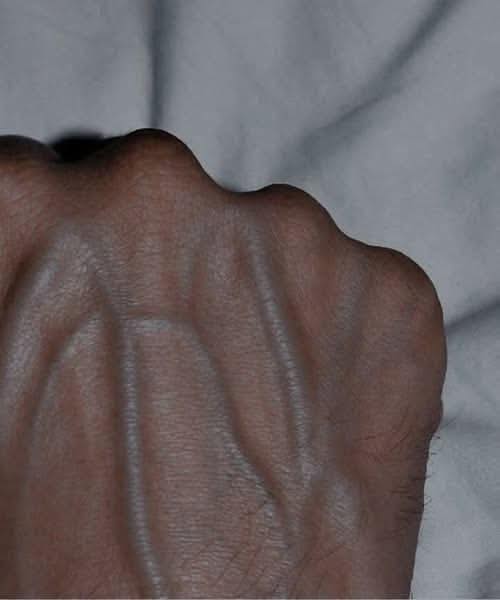
Most of us barely notice our veins—until one day they suddenly stand out. Sometimes it sparks curiosity, other times vanity, and occasionally concern. While visible veins aren’t automatically dangerous, they can reveal a lot about your body, circulation, and lifestyle.
Veins carry blood back to the heart and sit close to the skin’s surface, so factors like body fat, hydration, exercise, temperature, genetics, and age can make them more noticeable. Athletes and people with lower body fat often see veins popping because there’s less tissue between the skin and vessels.
Aging also plays a role. As skin thins and collagen declines, veins naturally become more prominent. Exercise and heat temporarily expand veins to increase blood flow and cool the body, while genetics and skin tone determine baseline visibility.
But not all veins are purely cosmetic. Sudden changes in size, color, or shape can indicate circulation problems. Chronic venous insufficiency happens when vein valves weaken, causing blood to pool and veins to bulge. Varicose veins—twisted, raised, and sometimes painful—can result from heredity, pregnancy, weight gain, or long periods of standing.
More serious conditions include superficial thrombophlebitis, a painful clot in a surface vein, and deep vein thrombosis (DVT), a dangerous clot that requires urgent care. Red flags include swelling, warmth, redness, or sharp pain in the leg—never ignore these symptoms.
Continue reading on next page…