This kind of temporary tingling is common and usually not dangerous.
Still, the key word is temporary.
If the sensation goes away quickly and does not keep returning, it is usually nothing to worry about. But if it lasts longer, happens often, or appears for no clear reason, it deserves more attention.
When Tingling Becomes More Concerning
Tingling becomes more serious when it does not behave like a normal temporary episode.
For example, you should pay attention if:
- the numbness keeps returning
- the tingling affects the same area repeatedly
- the feeling lasts longer than a few minutes
- it appears without pressure or awkward positioning
- it comes with pain, weakness, or loss of movement
Your body often sends small warning signs before a bigger issue becomes obvious. Numbness and tingling can be one of those early signals.
That does not mean every strange sensation is dangerous. But it does mean recurring symptoms should not be brushed off automatically.
Ignoring the problem may delay treatment if there is an underlying nerve, circulation, or neurological issue.
Nerve Pressure Can Be a Common Cause
Your nerves act like communication cables.
They carry messages between your brain, spinal cord, and the rest of your body. When something irritates or compresses those nerves, the signal can become disrupted. That disruption may feel like tingling, burning, numbness, or weakness.
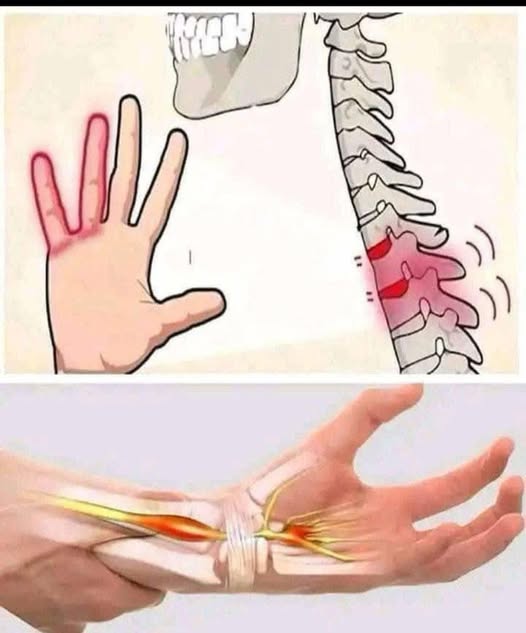
One common example is carpal tunnel syndrome.
This condition affects the nerve that runs through the wrist and can cause numbness or tingling in the hand and fingers. It is often seen in people who type often, use tools, grip objects repeatedly, or perform the same hand movements for long periods.
At first, symptoms may come and go.
Over time, they can become more frequent, especially if the nerve continues to be irritated.
Spinal issues can also cause tingling. Problems in the neck may affect nerves going into the arms and hands. Problems in the lower back may affect nerves going into the legs and feet.
That is why tingling is not always caused by the place where you feel it. Sometimes, the source of the problem is higher up in the body.
Tingling Can Sometimes Point to Bigger Health Issues
In some cases, paresthesia may be linked to conditions involving the nervous system.
Certain neurological conditions can affect how nerves communicate with the brain and spinal cord. For example, numbness or tingling can sometimes appear as an early symptom in conditions such as multiple sclerosis.
Sudden numbness can also be linked to a stroke, especially if it happens on one side of the body.
This is why timing and additional symptoms matter.
A hand that tingles after sleeping on it awkwardly is one thing. Sudden numbness with weakness, confusion, speech problems, or facial drooping is something completely different.
That kind of situation needs urgent medical attention.
Warning Signs You Should Never Ignore
Tingling or numbness should be taken seriously when it appears with other symptoms.
Seek urgent help if numbness or tingling comes with:
- sudden weakness
- confusion
- trouble speaking
- dizziness
- severe headache
- facial drooping
- loss of balance
- difficulty walking
- numbness on one side of the body
These symptoms can point to a medical emergency.
The body rarely creates sudden neurological warning signs for no reason. When symptoms appear quickly and strongly, waiting is not the smart move.
How Long-Term Tingling Can Affect Daily Life
Even when tingling is not an emergency, chronic symptoms can still affect your quality of life.
Ongoing numbness may make it harder to type, hold objects, cook, drive, walk comfortably, or sleep well. Some people start dropping things. Others feel burning or buzzing sensations that make it hard to focus.
Because symptoms may come and go, many people delay getting checked.
They assume it is nothing.
But if the same sensation keeps returning, the body is repeating the message for a reason.
What starts as occasional numbness can sometimes become pain, weakness, or reduced function if the cause is not addressed.
Why Listening to Your Body Matters
People often ignore symptoms that seem small.
They say, “It’s probably nothing,” and move on.
Sometimes, they are right. But sometimes, small symptoms are early clues.
Tingling, numbness, burning, or buzzing sensations are your nervous system’s way of getting your attention. If it happens once after sitting awkwardly, it is usually not a big deal. If it keeps happening, something may be irritating the nerves or affecting normal sensation.
Paying attention early can make a difference.
It may help identify a problem before it becomes more painful or harder to treat.
When Should You Talk to a Doctor?
You should consider medical advice if the numbness or tingling:
- happens often
- lasts longer than usual
- spreads to other areas
- gets worse over time
- affects strength or movement
- interferes with daily activities
- appears without an obvious cause
A healthcare professional can help figure out whether the cause is temporary nerve pressure, repetitive strain, a spine-related issue, circulation trouble, or something more serious.
Getting checked does not mean you should panic.
It means you are not ignoring a signal your body keeps sending.
The Bottom Line
Most people experience pins and needles at some point. In many cases, it is harmless and disappears quickly after changing position.
But repeated, long-lasting, or unexplained tingling is different.
Your body may be warning you about nerve irritation, compression, or another health issue that needs attention. The safest approach is simple: notice the pattern. If it keeps happening, gets worse, or appears with serious symptoms, do not ignore it.
A few seconds of tingling may be nothing.
A recurring warning sign deserves respect.
Have you ever experienced unexplained numbness or tingling in your hands or feet? Share your experience in the comments, and pass this along to someone who tends to ignore small health warning signs.