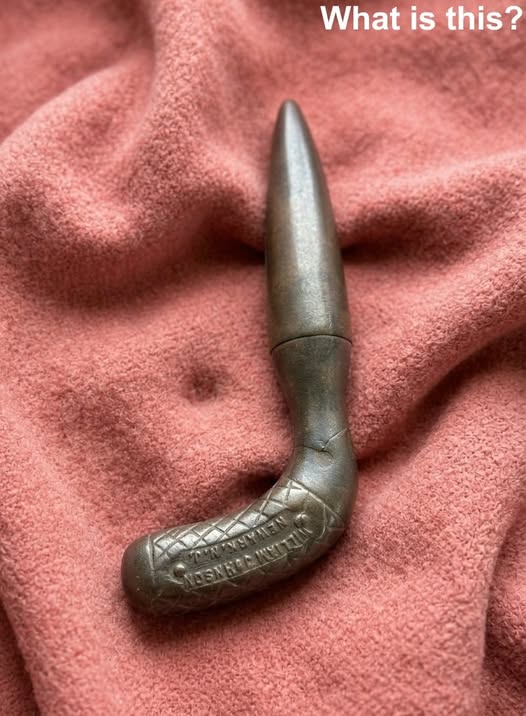
A fid might look simple, but it played an essential role in traditional seamanship. Sailors used it to separate rope fibers, create splices, and loosen tight knots. On ships where ropes controlled sails, anchors, and critical equipment, this small tool was part of everyday survival and operation.
Before modern machinery and synthetic materials, rope work required skill, patience, and precision. A single mistake could affect navigation or safety at sea. Tools like the fid made it possible to maintain and repair essential lines by hand, even in harsh conditions.
Once the family understood its purpose, the object suddenly felt different. It was no longer a strange relic—it became a connection to a completely different world. They began imagining the hands that once used it: sailors working on stormy decks, managing sails under pressure, and relying on simple tools to keep ships moving safely across oceans.
In that moment, the fid became more than just wood or metal. It became a quiet witness to long voyages, hard labor, and a way of life shaped by the sea.
This discovery also sparked a deeper reflection. It’s easy to overlook unfamiliar objects during cleanouts, assuming they have no value. But as this moment showed, even the most unassuming items can carry rich histories. Tools, photographs, and everyday objects often hold stories that outlast their original owners.
Instead of being discarded, the fid found a new place in the home. It now stands as a reminder that history is often hidden in plain sight, waiting to be understood.
Final Thought
Sometimes the past doesn’t speak loudly—it waits quietly inside forgotten objects, ready to be rediscovered when curiosity takes over.
If you enjoyed this story, share your thoughts below and join the conversation about the hidden histories in everyday objects.