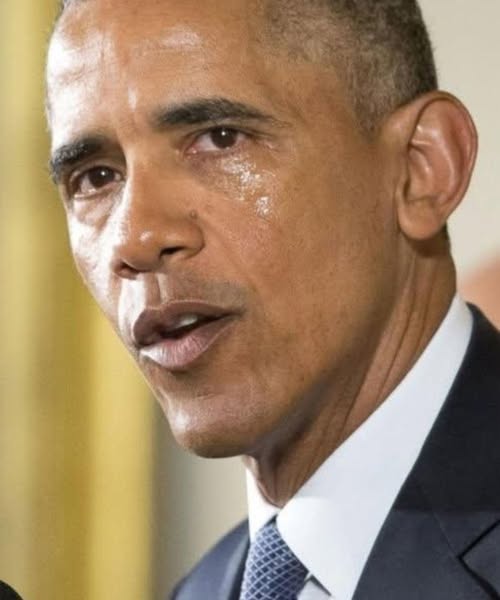
That disagreement lies at the center of today’s political climate in the United States.
Increasingly, political debates are no longer focused solely on policy differences. They often evolve into broader arguments about patriotism, legitimacy, institutions, and even the meaning of democracy itself. As a result, comments from influential public figures can quickly become national flashpoints that deepen already existing tensions.
Political analysts note that statements from former presidents carry unusual weight because they are often interpreted not simply as personal opinions, but as signals about the direction of national political discourse. In highly polarized environments, even a short remark can trigger massive reactions online and reshape public conversation for days.
Social media has only intensified that dynamic.
Clips, headlines, and isolated quotes now spread instantly, often without full context, fueling emotional reactions before deeper discussion can occur. Supporters on both sides frequently interpret comments through existing political loyalties, making productive dialogue increasingly difficult.
Still, Obama’s remarks reflect broader ongoing concerns about political division, institutional trust, and the future of civic discourse in America. At the same time, the backlash to his comments demonstrates how many Americans feel defensive about being characterized or judged based on their political choices.
As the political atmosphere surrounding upcoming elections continues heating up, moments like this reveal how emotionally charged national conversations have become.
For some Americans, the debate centers on protecting democratic norms and institutions.
For others, it centers on defending the right to support leaders who challenge political systems they no longer trust.
Either way, the exchange highlights a deeper reality: political polarization in the United States continues shaping not only elections, but also how citizens view each other, public institutions, and the future of the country itself.
Do you think political leaders should speak more carefully about voters from opposing sides? Share your thoughts respectfully in the comments below.