Despite the seriousness of the incident, officials have been careful to distinguish between isolated outbreaks and broader global health threats. They stressed that the majority of the public is unlikely to encounter this virus in everyday life, and that containment measures, surveillance, and rapid response systems are designed precisely to prevent localized cases from escalating further.
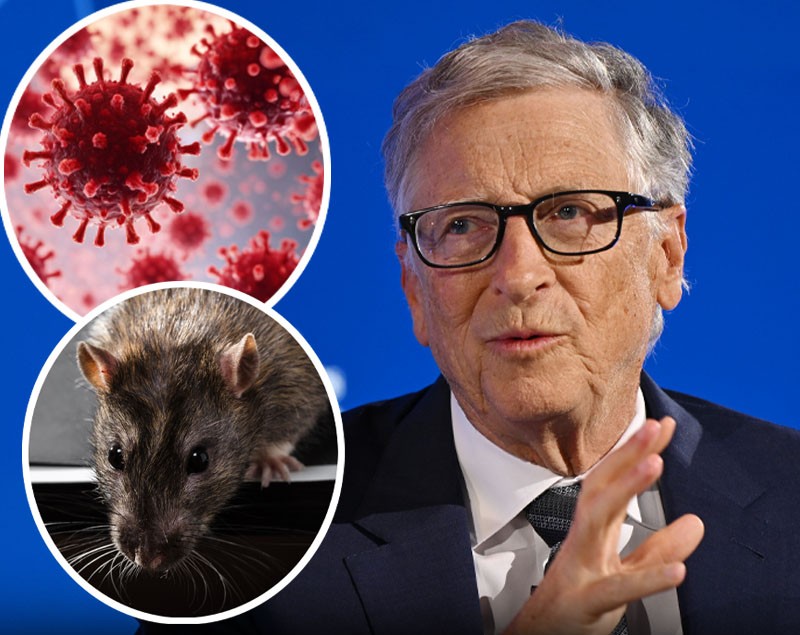
Still, the timing of the outbreak has contributed to heightened sensitivity worldwide. Recent public memory of pandemic disruptions has made even limited health alerts feel more immediate and emotionally charged. This context has amplified attention to statements from public figures and health commentators, including past warnings about future pandemic risks, which have resurfaced in online discussions.
Experts, however, continue to urge perspective. While vigilance remains important, they caution against conflating isolated incidents with the emergence of a global crisis. Modern epidemiology allows for rapid identification, containment, and communication—tools that significantly reduce the likelihood of widespread transmission from rare pathogens.
In the end, the situation serves as a reminder of how interconnected global travel has become, and how quickly health events can gain visibility in a digital world. It also underscores the importance of relying on verified medical guidance rather than speculation during unfolding incidents.
As investigations continue, authorities emphasize that the focus remains on tracing exposure, supporting affected individuals, and ensuring that any risks are properly contained. For the public, the key message from health officials is simple: stay informed, not alarmed, and trust established systems designed to manage exactly these kinds of rare events.