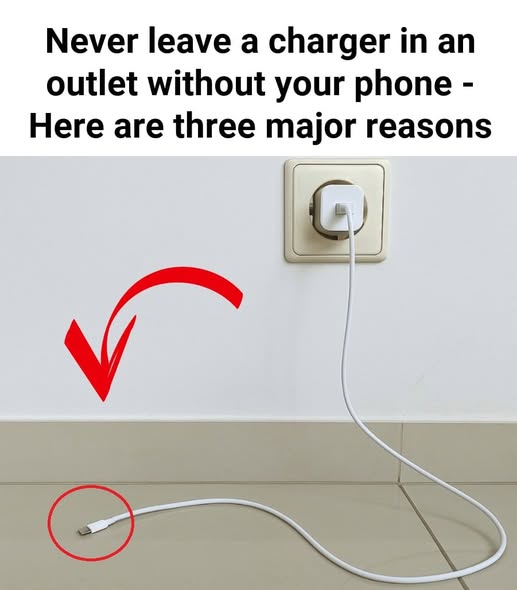
One charger may not make a big difference. Ten chargers left in outlets every day is a different story.
The Hidden Cost of Convenience
Leaving chargers plugged in is mostly about convenience.
Nobody wants to search for a charger when their phone is at 3%. That is why charging bricks often become permanent fixtures in walls, power strips, and extension cords.
But convenience can quietly create waste. Modern homes already use electricity through refrigerators, TVs, heating, cooling, computers, routers, and appliances. Small electronics may seem unimportant, but when they stay connected constantly, they still contribute to background energy use.
Heat and Wear Can Build Over Time
Chargers naturally produce some heat while operating. In most cases, this is minor. The bigger concern is with cheap, old, damaged, or poorly made chargers.
A charger with cracked plastic, a frayed cable, bent connectors, loose plugs, or discoloration should not be ignored. If it gets unusually hot during use, that is another warning sign.
Leaving damaged charging equipment plugged in for long periods can place extra stress on both the charger and the outlet.
Outlets Can Wear Down Too
The charger is not the only thing affected.
Wall outlets can loosen over time, especially when plugs are inserted, removed, pulled sideways, or left hanging from the socket. A loose outlet may not hold the charger firmly, which can create poor contact and extra heat.
Older outlets should be checked more carefully, especially if plugs fall out easily or feel unstable.
A Simple Habit That Helps
Unplugging chargers after use takes only a few seconds.
You do not need a complicated system. Start with the chargers you use the least. Unplug them before leaving home or before going to sleep. For multiple devices, use a power strip with an on/off switch so you can disconnect several chargers at once.
This small habit can help reduce unnecessary energy use, limit wear on charging equipment, and make it easier to spot damaged cables before they become a bigger problem.
When You Should Replace a Charger
Replace a charger if you notice:
Frayed or exposed wires
Cracked casing
Bent metal parts
Burn marks or discoloration
A loose connection
Unusual heat
Buzzing or strange smells
Do not keep using a charger just because it still works. Damaged electronics are not worth the risk.
Final Thoughts
Leaving one charger plugged in may not seem like a big deal. But in a home full of devices, the habit can quietly waste energy, create unnecessary wear, and make damaged chargers easier to overlook.
The fix is simple: unplug what you are not using, check chargers regularly, and replace anything that looks worn or unsafe.
Do you leave your chargers plugged in all day, or do you unplug them after use? Share your habit in the comments — your tip might help someone make their home a little safer and more efficient.