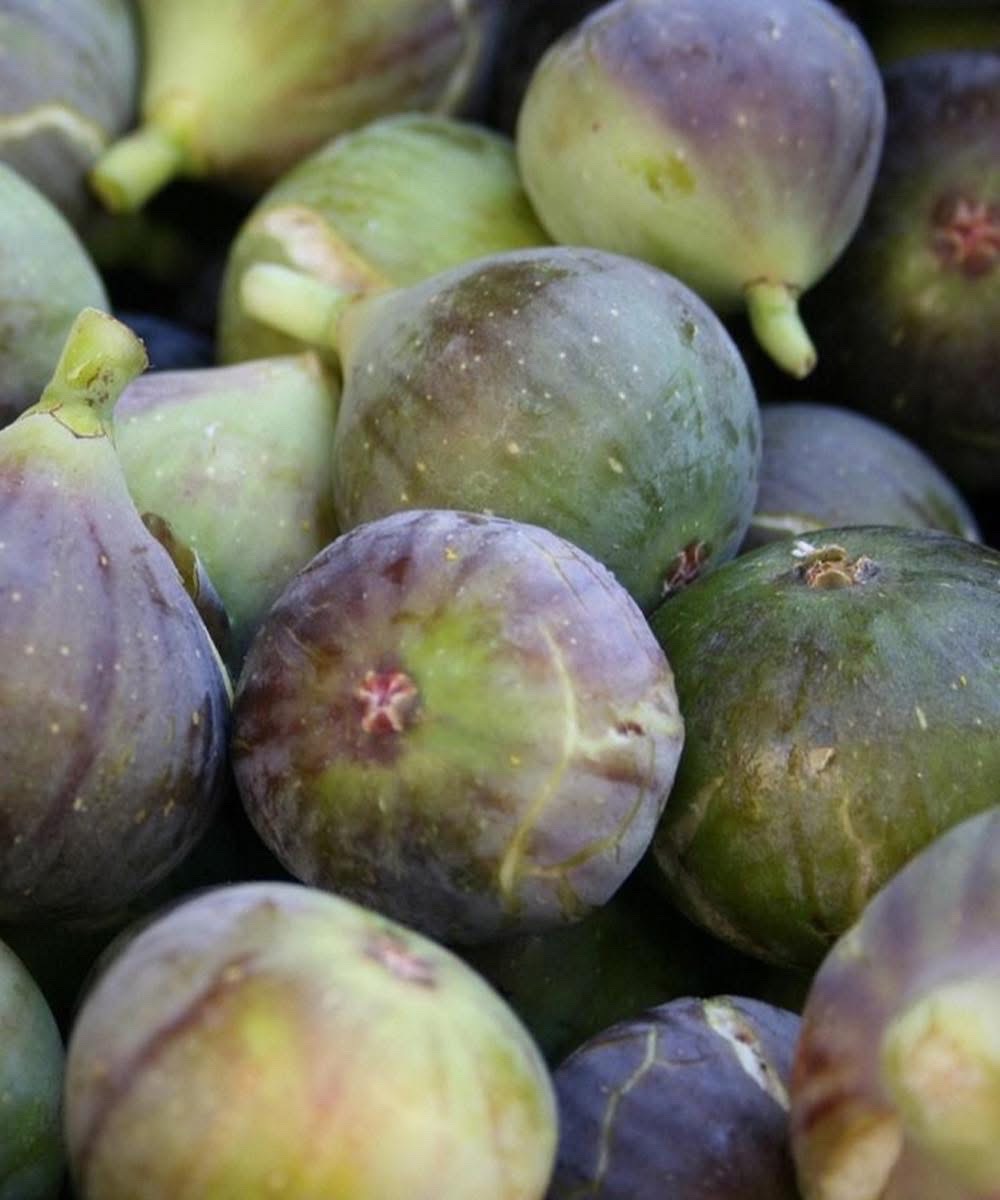
Figs, in particular, are commonly appreciated for their nutritional profile. They provide fiber, potassium, and antioxidants that support overall bodily function, including digestion and cardiovascular health. While they are not a treatment for pain or inflammation, they can be included as part of a balanced diet that supports the body’s natural processes.
Prunes and apricots also offer similar nutritional benefits, especially in terms of fiber and essential micronutrients. Including a small portion of these fruits in daily meals is a simple habit that some people find helpful for maintaining general wellness and digestive regularity.
It is important, however, to maintain a realistic perspective. Natural foods and dietary habits can support health, but they are not substitutes for medical evaluation or treatment. Persistent or worsening pain should always be assessed by a qualified healthcare professional to rule out underlying conditions and ensure appropriate care.
A balanced approach—combining medical guidance, healthy movement, and supportive nutrition—often works best when managing long-term discomfort. No single food or habit is a cure-all, but small, consistent choices can contribute to overall well-being.
If you’re exploring ways to support your joint or back health, consider what small daily changes might fit into your routine. Have you tried any natural or lifestyle-based approaches that made a difference for you?