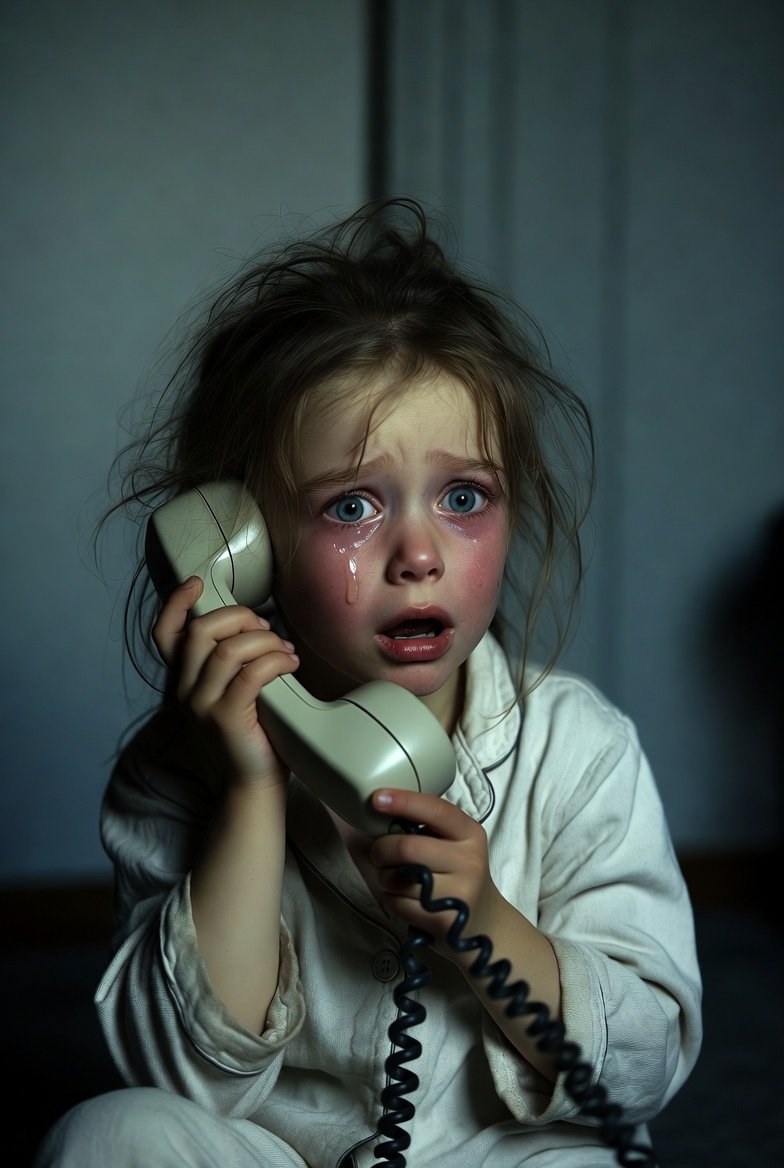
For many residents, the hardest truth was not simply what happened inside the home, but how easily warning signs had been overlooked or misunderstood.
Experts who work with traumatized children often explain that young victims rarely describe abuse directly or clearly, especially when fear, manipulation, or confusion are involved. Instead, they may speak through symbols, strange stories, behavioral changes, or emotional withdrawal. Adults willing to pause and truly listen can sometimes recognize distress hidden beneath those fragmented explanations.
That willingness to listen became the difference between silence and intervention.
Even after the immediate crisis ended, healing did not arrive quickly.
Recovery from trauma rarely looks dramatic from the outside. It appears in smaller, quieter moments: a child beginning to sleep peacefully again, a door left open without fear, a laugh returning unexpectedly after months of silence. Sometimes healing is simply a child learning that they no longer need to watch every room for danger.
For the children involved, rebuilding trust became its own long journey.
For the adults who stepped in, the experience left permanent emotional scars as well. Many later admitted they replayed conversations repeatedly, wondering how close they came to missing the signs entirely.
Meanwhile, Oak Valley itself changed.
The case forced uncomfortable conversations throughout the community about neglect, silence, and the tendency people sometimes have to avoid seeing painful realities unfolding nearby. Residents began discussing how often struggling children are dismissed because their words sound confusing or incomplete.
Yet amid all the darkness, one truth continues standing above everything else:
Someone listened.
Someone chose not to ignore what sounded strange.
Someone believed a frightened child before it was too late.
And sometimes, that single decision becomes the beginning of survival.
The story left behind is not only about tragedy or scandal. It is also about courage — the courage to ask difficult questions, to pay attention to small warning signs, and to recognize that children often communicate pain in the only ways they know how.
What are your thoughts on the importance of listening carefully when children express fear or unusual concerns? Share your perspective respectfully in the comments below.