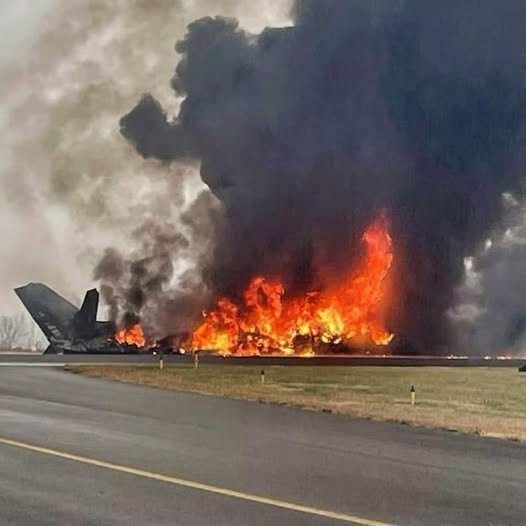
Investigators later launched a comprehensive inquiry to understand exactly what happened during the aircraft’s final approach. Aviation experts examined weather conditions, flight recorder data, aircraft systems, communications between the cockpit and air traffic controllers, and maintenance records.
Among the factors considered during the investigation was the possible impact of wind shear—a sudden change in wind speed or direction that can make aircraft landings especially difficult. While weather conditions formed part of the investigation, officials carefully reviewed every possible contributing factor before reaching conclusions.
The event also temporarily disrupted operations at Dubai International Airport, one of the world’s busiest aviation hubs. Flights were delayed, diverted, or rescheduled as emergency crews secured the runway and investigators began documenting the scene. Despite the interruption, airport operations gradually returned to normal after safety inspections were completed.
Incidents like Flight EK521 demonstrate why commercial aviation continues to emphasize continuous improvement. Every investigation contributes valuable lessons that help airlines, manufacturers, pilots, and regulators strengthen procedures designed to prevent similar emergencies in the future.
For many passengers, the experience served as a life-changing reminder of how quickly ordinary travel can become extraordinary. Yet it also highlighted the professionalism displayed by pilots, flight attendants, firefighters, medical teams, and airport personnel who train extensively for situations most travelers hope they never encounter.
While the aircraft was lost, hundreds of lives were preserved through preparation, teamwork, and decisive action under immense pressure.
The legacy of Flight EK521 extends far beyond the runway. It stands as a testament to the importance of aviation safety, emergency preparedness, and the courage shown by those who respond when every second matters.
What are your thoughts on the training and coordination that help make emergency evacuations successful? Share your perspective in the comments, and if you found this story informative, consider sharing it with others interested in aviation safety.