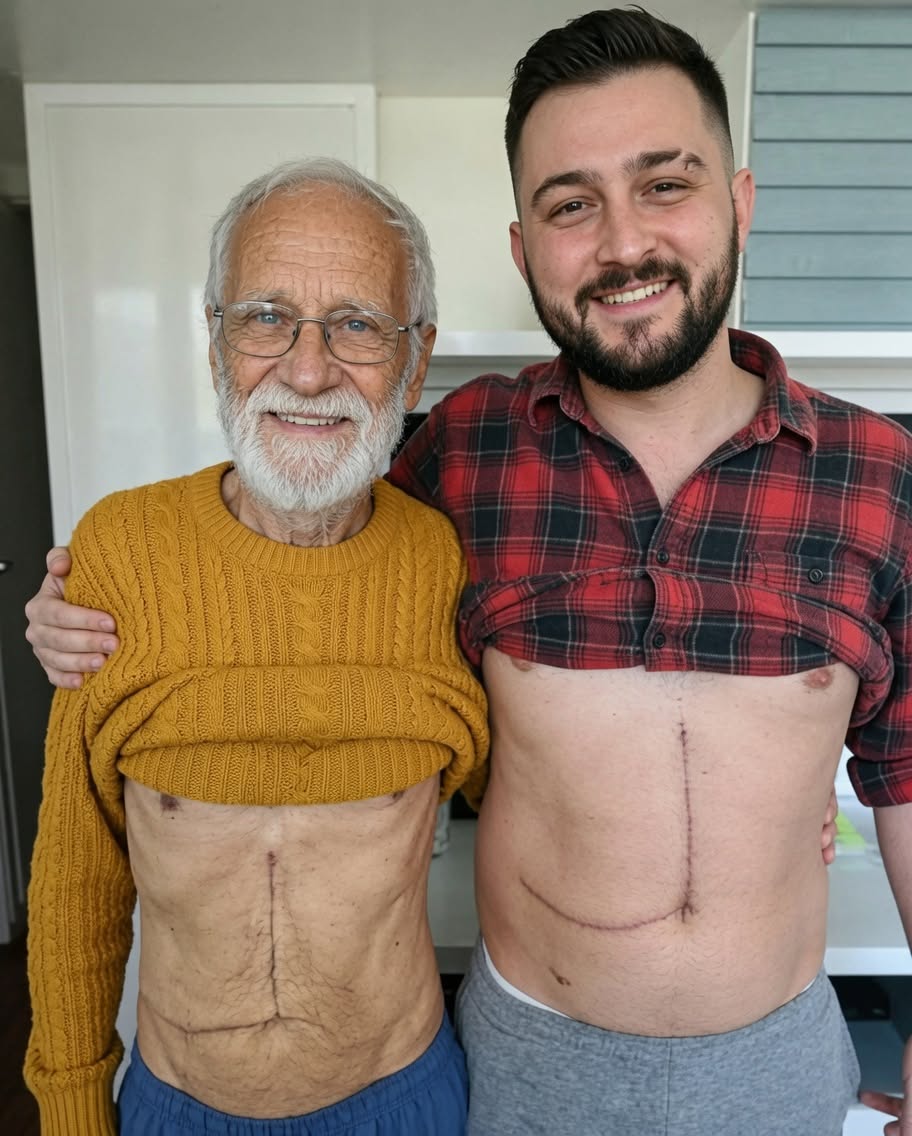
How Living Liver Donation Works
Living liver donation involves surgically removing a portion of a healthy donor’s liver and transplanting it into a recipient.
Over the following months, the liver tissue in both individuals gradually regenerates, allowing the organ to regain much of its size and function.
Not everyone is eligible to become a donor. Potential donors undergo extensive medical evaluations to determine whether the procedure is appropriate and safe for both the donor and recipient.
Healthcare teams carefully assess:
- Overall physical health
- Liver function
- Medical history
- Compatibility with the recipient
- Emotional readiness and informed consent
These evaluations help reduce risks and support positive outcomes.
A Family Decision
Many living donors choose to help a family member, close friend, or loved one.
The decision often involves thoughtful discussions between family members, healthcare professionals, and transplant specialists.
Medical experts emphasize that living donation should always be voluntary and based on a complete understanding of the procedure, recovery process, and potential risks.
Recovery and Follow-Up Care
Like any major surgery, living liver donation requires recovery time.
Donors typically remain under close medical supervision immediately after surgery and continue receiving follow-up care throughout the healing process.
Recovery experiences vary from person to person, but healthcare teams work closely with patients to monitor progress and address concerns as they arise.
Recipients also require ongoing medical care and monitoring to support long-term health following transplantation.
Understanding Benefits and Risks
Living liver donation has helped many patients receive life-saving treatment sooner than would otherwise be possible.
However, medical professionals stress the importance of understanding both the potential benefits and the potential risks associated with any surgical procedure.
Open communication with transplant specialists allows patients and families to make informed decisions based on their unique circumstances.
The Role of Medical Innovation
Advances in surgical techniques, patient monitoring, and transplant medicine have significantly improved outcomes over the years.
Transplant centers continue to refine procedures and safety protocols designed to support both donors and recipients throughout every stage of the process.
Research and innovation remain important parts of improving transplant care and expanding treatment options for patients in need.
The Importance of Family and Community Support
One aspect frequently highlighted by transplant patients and donors is the value of emotional support.
Family members, friends, caregivers, and healthcare professionals often play important roles during recovery.
Many people find that shared support helps them navigate challenges and celebrate milestones throughout the transplant journey.
Looking Ahead
Living liver donation continues to offer hope to many individuals facing serious liver disease.
While every medical situation is different, advances in transplant medicine have created opportunities that were not possible in previous generations.
Anyone considering donation or transplantation should consult qualified healthcare professionals to obtain personalized medical guidance and information.
The Bottom Line
Living liver donation represents an important medical option that has helped many families facing complex health challenges.
By combining medical expertise, careful evaluation, ongoing support, and informed decision-making, healthcare teams continue working to improve outcomes for both donors and recipients.
For many families, the journey highlights not only medical progress but also the importance of compassion, support, and human connection during difficult times.