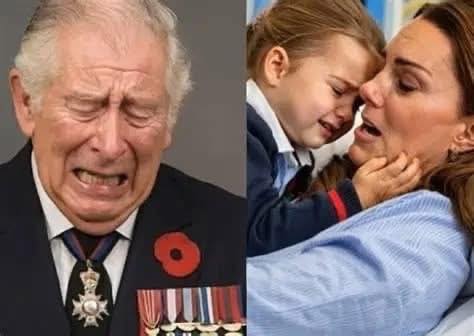
On the surface, the words are brief. But their weight is anything but.
For years, Princess Diana’s passing has remained one of the most discussed and emotionally charged events in royal history. While official investigations addressed the circumstances of the crash in Paris, the emotional impact on her family has never been something easily defined or concluded. For Prince William, it was the loss of a mother during formative years—an absence that shaped both his private life and public role. For Charles, it has long been viewed through a complex lens of personal responsibility, public scrutiny, and private reflection.
This reported exchange does not change history, nor does it answer the many questions the public has revisited over the years. Instead, it represents something more human and less public-facing: acknowledgment.
Within families, moments like this are not about rewriting events. They are about recognition—of pain, of loss, and of the lasting impact certain moments continue to have, even decades later.
For William, such words would not erase grief. Loss of that magnitude does not disappear with time or apology. But acknowledgment can shift how that grief is carried. It can create space for understanding, even when resolution is impossible.
Observers note that this kind of conversation reflects a broader truth about time and perspective. As years pass, what once could not be said often finds its way into words—not for public interpretation, but for personal clarity.
What makes this moment resonate so strongly is not its public significance, but its private nature. In a family defined by duty, structure, and restraint, emotional honesty of this kind is rare—and therefore notable.
It also highlights the dual reality of royal life: public image on one side, deeply personal experiences on the other. While the world often views the monarchy through ceremony and tradition, behind those walls are relationships shaped by the same emotions experienced in any family—grief, regret, love, and reflection.
Whether this reported exchange marks a turning point or simply a quiet moment of honesty between father and son remains known only to those involved. What it does illustrate, however, is that even the most historic public stories are ultimately carried by private human experiences that continue long after the headlines fade.
In the end, the legacy of Princess Diana is not only written in history books or global tributes, but also in the ongoing personal reflections of those who knew her best.
And sometimes, the most meaningful moments are not the ones the world witnesses—but the ones spoken quietly, years later, behind closed doors.
If this story made you think differently about the human side of history, share your thoughts below and join the conversation.