Background on the Arrest
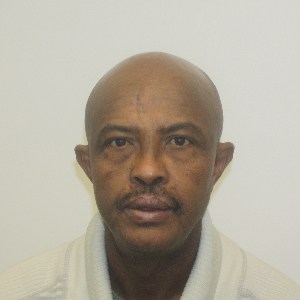
According to ICE, Yusuf entered the United States in 1996 and at one point held lawful permanent resident status. Federal authorities state that he later accumulated a criminal record that included a 2016 conviction for first-degree criminal sexual conduct, along with additional legal issues in subsequent years.
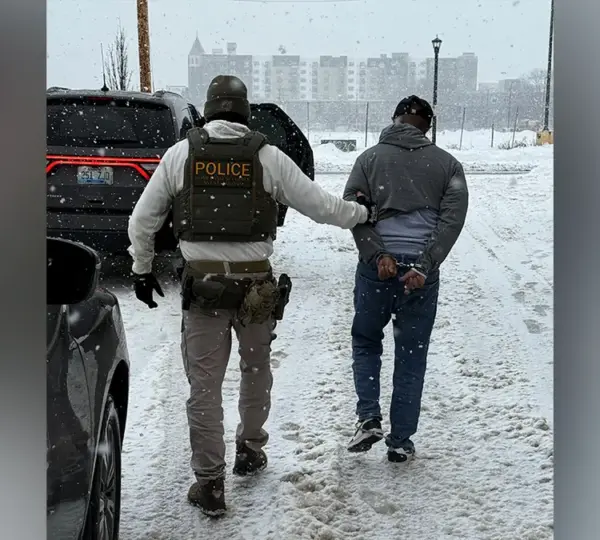
ICE officials described the arrest as part of a targeted enforcement effort focused on individuals with prior convictions or outstanding warrants. They have emphasized that Yusuf had been living in Minneapolis for several years before being taken into federal custody.
Federal Perspective on Enforcement Challenges
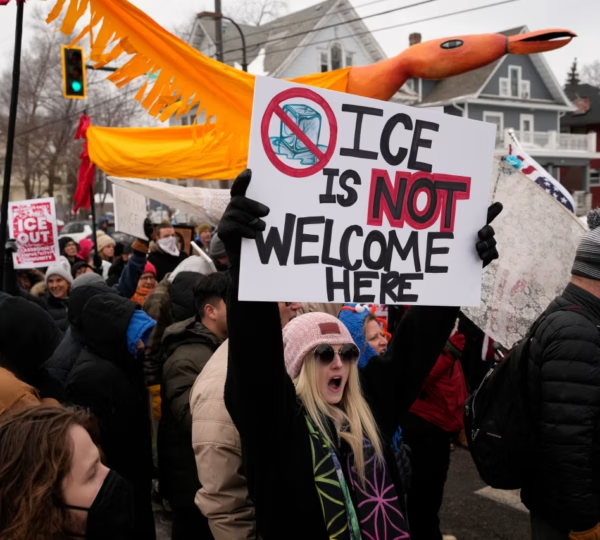
Following the arrest, ICE officials publicly criticized what they described as limited cooperation from local jurisdictions. Federal authorities argue that policies restricting collaboration between local law enforcement and federal immigration agencies can complicate efforts to locate and detain individuals who are subject to immigration enforcement actions.
ICE also stated that earlier attempts to arrest Yusuf were unsuccessful and suggested that community interference and legal restrictions played a role. Federal officials have used the case to argue that sanctuary-style policies may unintentionally delay enforcement actions involving individuals with serious criminal histories.
Response From Minnesota and Minneapolis Officials
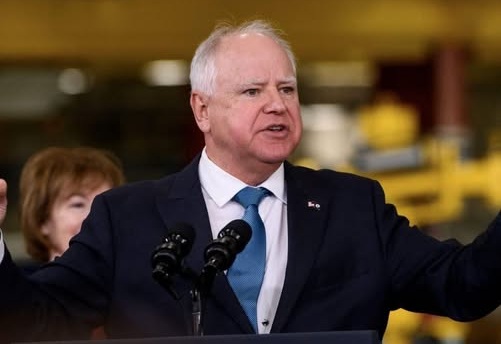
State and local leaders have pushed back against federal characterizations of the case. Minnesota Governor Tim Walz and Minneapolis Mayor Jacob Frey have defended existing policies, emphasizing that they are designed to support community trust and effective local policing.
Local officials argue that separating routine policing from federal immigration enforcement encourages residents — including immigrants — to report crimes, cooperate with investigations, and seek help without fear. They maintain that public safety depends on strong relationships between communities and local law enforcement.
Mayor Frey has also expressed concern about the impact of visible federal enforcement operations on neighborhoods, particularly in areas with large immigrant populations.
Broader Enforcement Activity in Minnesota
Yusuf’s arrest occurred amid increased federal immigration activity in Minnesota in late 2025. Federal authorities expanded enforcement operations in the Minneapolis–St. Paul area, focusing on individuals with final removal orders, immigration violations, or criminal records.
These operations resulted in numerous arrests and prompted heightened visibility of federal agents in certain neighborhoods. Federal officials have stated that many of those arrested had prior criminal convictions, while community advocates have expressed concern about the scope and tone of enforcement actions.

Community Impact and Public Concerns
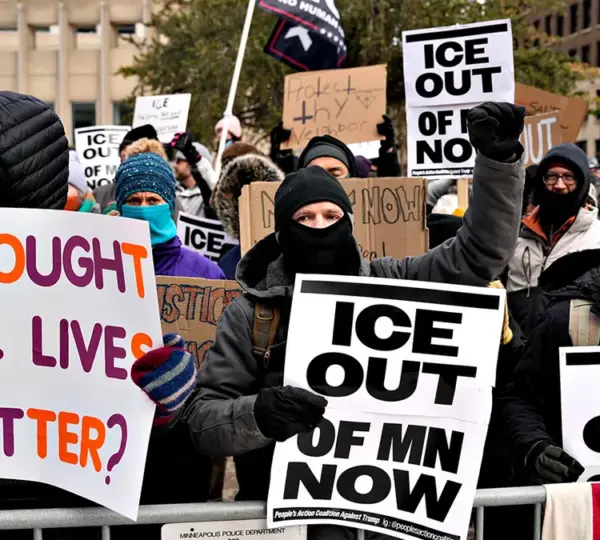
Members of Minnesota’s Somali-American community — one of the largest in the United States — have described heightened anxiety during the enforcement period. Business owners and residents reported reduced foot traffic and increased fear following visible ICE activity in public spaces.
Community advocates have emphasized that enforcement actions can have broader effects beyond their intended targets, potentially discouraging lawful residents and citizens from engaging with authorities. They argue that enforcement strategies should carefully balance legal objectives with civil liberties and community well-being.
A Broader Policy Debate
The case has underscored a long-standing policy divide:
Supporters of stronger federal enforcement argue that limited cooperation with ICE can delay the removal of individuals with serious criminal convictions, potentially putting public safety at risk.
Supporters of sanctuary-style policies counter that local governments are not legally required to assist federal immigration enforcement and that these policies strengthen public safety by fostering trust between residents and local police.
Legally, courts have affirmed that while immigration enforcement is a federal responsibility, states and municipalities cannot be compelled to carry out federal immigration duties.
Political and National Implications
The Minneapolis arrest has drawn attention beyond Minnesota, becoming part of a broader national conversation on immigration policy. Federal officials and some lawmakers have criticized state and local leaders, while others have raised concerns about federal overreach and community impact.
As immigration remains a central issue in national politics, cases like this continue to shape debate over how enforcement should be carried out and who should be responsible.
Conclusion
The arrest of Mahad Abdulkadir Yusuf has become a focal point in the ongoing discussion over immigration enforcement and sanctuary policies. For federal authorities, it highlights perceived enforcement challenges. For state and local leaders, it reinforces the importance of maintaining community trust and protecting civil liberties.
What remains clear is that balancing public safety, effective enforcement, and community confidence continues to be a complex and evolving challenge — one that communities across the country are still working to address.