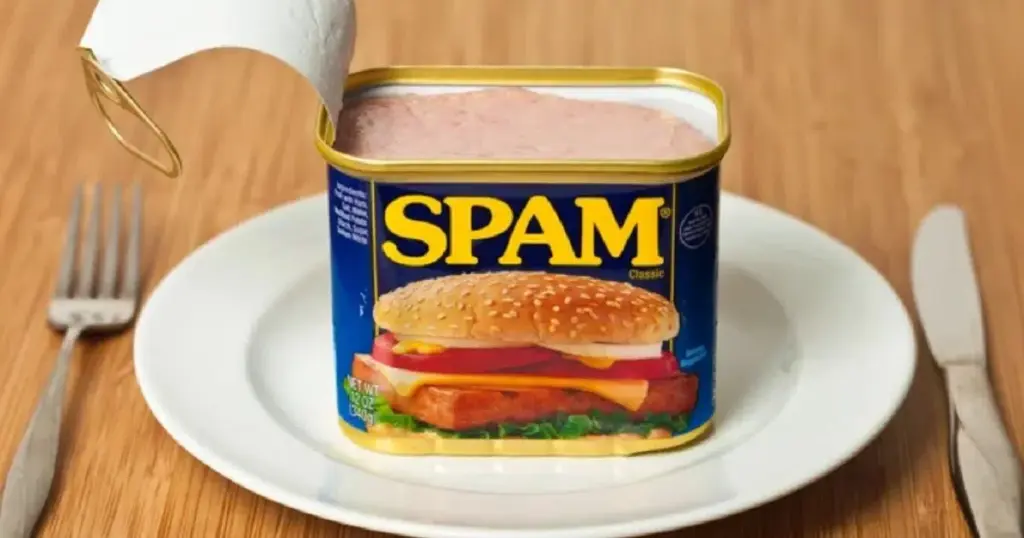
What’s Really Inside SPAM? A Deep Dive Into the Iconic Canned Meat
A Pantry Staple With a Storied History
For decades, SPAM has been a kitchen mainstay, instantly recognizable by its classic can and salty, savory flavor. Loved for its convenience, versatility, and long shelf life, it has earned a spot in pantries around the globe. Yet, despite its popularity, many still wonder—what exactly goes into this legendary canned meat?
From Practical Solution to Global Favorite
Introduced in 1937 by Hormel Foods, SPAM was created as a practical way to preserve meat and make it widely accessible. Over time, it transcended its original purpose, becoming a staple not only during times of need but also as a beloved ingredient in countless culinary traditions. Today, SPAM remains a cultural and culinary icon across multiple countries and cuisines.
The Mystery Behind the Name
The origins of the name “SPAM” have long intrigued fans. Some claim it stands for “Shoulder of Pork And Ham”, while others believe it means “Specially Processed American Meat.” The ambiguity adds to the product’s charm and makes it a memorable part of food history.

What’s Inside the Can?
Continue reading on next page…