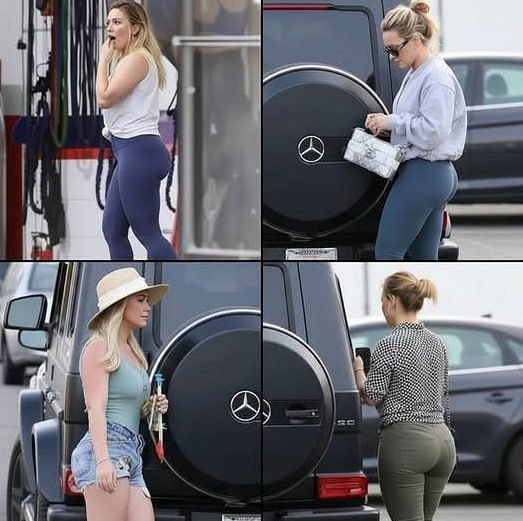
Following motherhood, she openly addressed the pressure women often face regarding appearance and unrealistic beauty expectations. In widely shared interviews and statements, she emphasized self-respect, health, and appreciation for what the body can accomplish rather than focusing solely on physical appearance.
Her message resonated with many readers because it reflected experiences shared by countless women navigating body changes related to pregnancy, stress, aging, and everyday life.
Mental health advocates say these conversations have become increasingly important in a culture heavily influenced by edited photos and appearance-focused social media content.
Natural Body Changes Are Completely Normal
Health organizations consistently confirm that body shape, proportions, and physical appearance naturally vary between individuals.
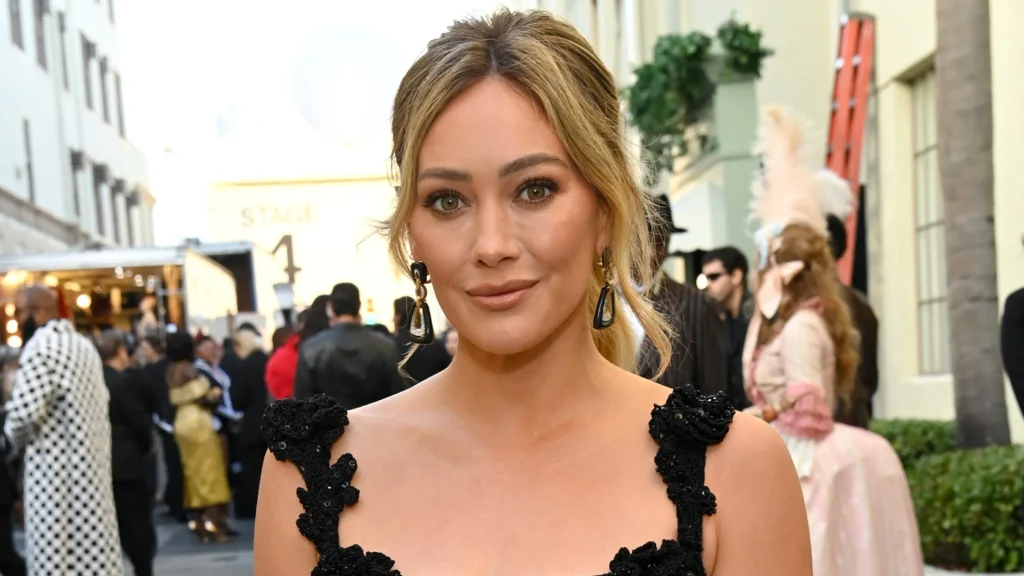
Experts from organizations such as the World Health Organization and the National Institutes of Health explain that factors affecting body composition include:
- Genetics
- Hormones
- Pregnancy and motherhood
- Age
- Lifestyle and activity levels
- Stress and health conditions
There is no single “correct” body type or appearance standard.
Medical professionals warn that framing ordinary physical differences as unusual or controversial can contribute to unnecessary stigma and unrealistic social expectations.
Why Female Celebrities Face Intense Appearance Scrutiny
Media research continues showing that women in public life are far more likely than men to be judged based on appearance rather than accomplishments.
Studies referenced by the American Psychological Association highlight several recurring patterns:
- Female celebrities receive more appearance-focused media coverage
- Minor physical changes are exaggerated into major headlines
- Candid photos often become subjects of online body analysis
- Aging and weight fluctuations are heavily scrutinized
Experts say this reflects broader societal pressures rather than anything unique about individual celebrities.
If similar everyday images were taken of male actors or musicians, they would rarely receive the same level of attention or speculation.
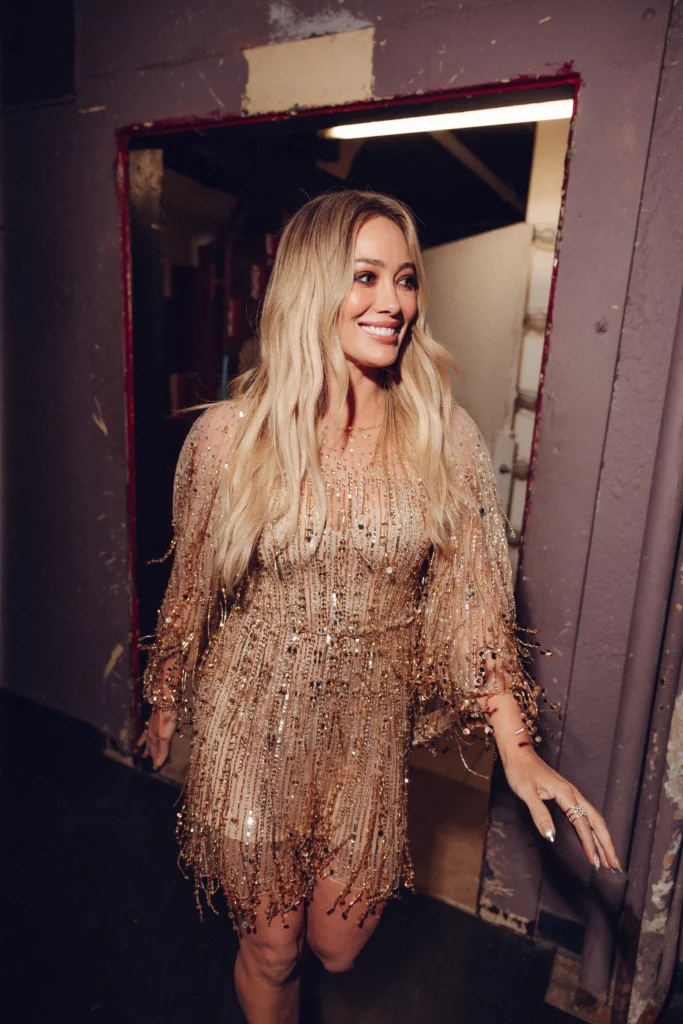
The Difference Between Red Carpet Images and Real Life
Another major factor fueling viral body-centered stories is the contrast between polished public appearances and unfiltered everyday photos.
Professional events often involve:
- Studio lighting
- Makeup teams
- Styling experts
- Camera angles
- Edited promotional photography
Candid photos, on the other hand, capture people naturally during ordinary daily activities.
Experts note that comparing these two completely different environments can create unrealistic perceptions about how bodies “should” appear at all times.
In reality, candid photos usually reflect how most people naturally look in everyday life.
Body-Focused Media Can Affect Mental Health
Researchers say appearance-driven media narratives do more than simply attract online attention. Repeated exposure to unrealistic or judgmental content can significantly impact self-esteem and mental well-being.
According to research cited by the American Psychological Association:
- Appearance-focused media can increase body dissatisfaction
- Unrealistic comparisons may contribute to anxiety and low self-esteem
- Positive or neutral body messaging improves psychological well-being
Mental health experts increasingly encourage media literacy and critical thinking when consuming celebrity-related content online.
Responsible Reporting Still Matters
Celebrities may live in the public eye, but journalism experts emphasize that ethical reporting should still prioritize accuracy, relevance, and fairness.
Organizations like the Society of Professional Journalists continue advocating for responsible media standards that avoid unnecessary sensationalism.
In the case of Hilary Duff, reputable coverage focuses on:
- Her entertainment career
- Family life and parenting
- Wellness and fitness routines
- Public discussions about realistic body expectations
Unverified claims designed purely for clicks do not meet professional reporting standards.
The Rise of Body Positivity and Body Neutrality
Public conversations surrounding body image have evolved significantly over the past decade.
While body positivity promotes acceptance of diverse appearances, body neutrality encourages people to focus less on looks and more on health, function, and overall well-being.
Hilary Duff’s public comments align closely with this growing body-neutral perspective, emphasizing strength, health, and life experience over appearance-based self-worth.
Many mental health professionals now view this approach as healthier and more sustainable than constant appearance comparison.
Why Viral Celebrity Claims Spread So Quickly
Experts say several factors contribute to the rapid spread of misleading celebrity headlines online:
- Emotional reactions drive sharing
- Celebrity names attract attention
- Curiosity-based headlines encourage clicks
- Social algorithms reward engagement over accuracy
As a result, misleading stories can spread widely before fact-checking catches up.
Developing habits like checking reliable sources and questioning sensational claims can help reduce the influence of misinformation online.
Final Thoughts
There is no credible evidence supporting viral claims suggesting Hilary Duff was born with any unusual physical condition. Instead, verified reporting consistently highlights her career, family life, and advocacy for realistic conversations around body image and self-acceptance.
The larger issue extends far beyond one celebrity headline. It reflects a digital culture where attention often outweighs accuracy and appearance-based narratives continue dominating online discussion.
Bodies naturally change throughout life, and candid photos frequently reveal something far more ordinary than sensational headlines suggest: reality.
As audiences become more aware of how viral media works, responsible reporting and thoughtful conversations can help shift the focus from judgment toward understanding, accuracy, and respect.
What are your thoughts on celebrity body image discussions and viral media culture? Share your perspective in the comments and join the conversation.