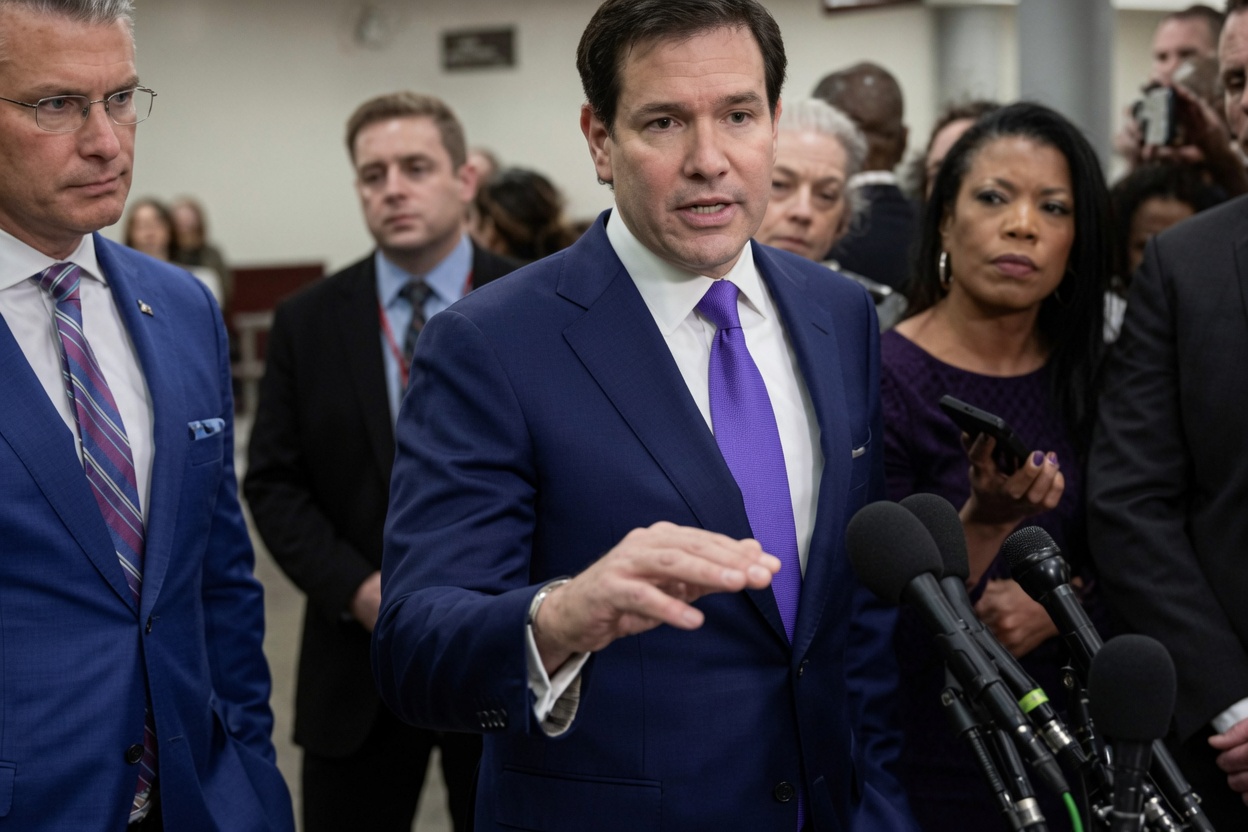
Rubio stressed that diplomacy continues to offer the best opportunity for reducing tensions and avoiding further instability in the region.
However, he also warned that diplomatic windows do not remain open indefinitely.
Officials believe that the coming weeks could prove important as parties involved evaluate their options and determine whether meaningful progress can continue.
For now, maintaining dialogue appears to be a key objective for all sides.
Pakistan Reenters the Diplomatic Spotlight
Reports indicate that Pakistan has resumed efforts to serve as an intermediary between Washington and Tehran.
According to security sources, Pakistan’s Army Chief and Field Marshal, Syed Asim Munir, is expected to hold discussions with Iranian officials in Tehran.
Observers view the visit as part of Islamabad’s broader strategy to encourage communication and reduce the risk of further regional tensions.
Pakistan has historically maintained relationships with multiple regional stakeholders, positioning it as a potential bridge between competing interests.
Strait of Hormuz Remains a Major Point of Disagreement
One of the most sensitive issues reportedly under discussion involves Iran’s proposed “tolling system” for ships transiting the Strait of Hormuz.
Rubio strongly criticized the concept, arguing that any restrictions or additional charges imposed on international shipping could undermine diplomatic progress and increase regional instability.
U.S. officials have expressed concern that measures affecting maritime traffic could disrupt global commerce and create uncertainty in international energy markets.
As a result, the issue remains one of the most significant obstacles in ongoing discussions.
Why the Strait of Hormuz Matters
The Strait of Hormuz is widely regarded as one of the world’s most strategically important waterways.
The narrow passage connects the Persian Gulf to international shipping lanes and serves as a critical route for global energy supplies.
Experts estimate that approximately one-fifth of the world’s oil shipments pass through the strait, making its security a matter of international concern.
Any disruption to shipping activity can have ripple effects across:
- Global energy markets
- Fuel prices
- International trade
- Economic stability
- Regional security
Because of its importance, developments involving the waterway are closely monitored by governments and financial markets worldwide.
Significant Challenges Still Remain
Despite signs of progress, major disagreements continue to separate the parties involved.
Diplomats remain focused on preserving communication channels while addressing sensitive issues that could derail negotiations.
Analysts note that successful diplomacy often advances gradually, with small developments laying the groundwork for larger agreements over time.
Whether recent momentum can translate into lasting progress remains uncertain.
Global Attention Remains Fixed on the Region
The Middle East continues to occupy a central place in international security discussions.
Governments, investors, military analysts, and foreign policy experts are watching developments closely as negotiations evolve.
Any progress toward reduced tensions could have implications extending far beyond the region, influencing global energy markets, economic conditions, and international relations.
For now, officials appear committed to continuing discussions while carefully managing expectations.
Final Thoughts
Secretary of State Marco Rubio’s latest remarks suggest that diplomatic efforts between the United States and Iran may be showing modest signs of progress, but substantial hurdles remain.
While dialogue continues and international mediators work to facilitate communication, sensitive issues—including maritime security and regional influence—still require resolution.
The coming weeks could prove critical in determining whether these early signs of movement develop into meaningful diplomatic breakthroughs or remain limited progress in a highly complex geopolitical landscape.
Join the Conversation
Do you think diplomacy can successfully reduce tensions in the region, or are deeper challenges still standing in the way? Share your thoughts in the comments below.