Hormones and Sleep Changes
Aging brings hormonal shifts that affect sleep.
- Women: Menopause and perimenopause often cause hot flashes, night sweats, and insomnia.
- Men: Andropause can disrupt sleep cycles, increase restlessness, and fuel anxiety.
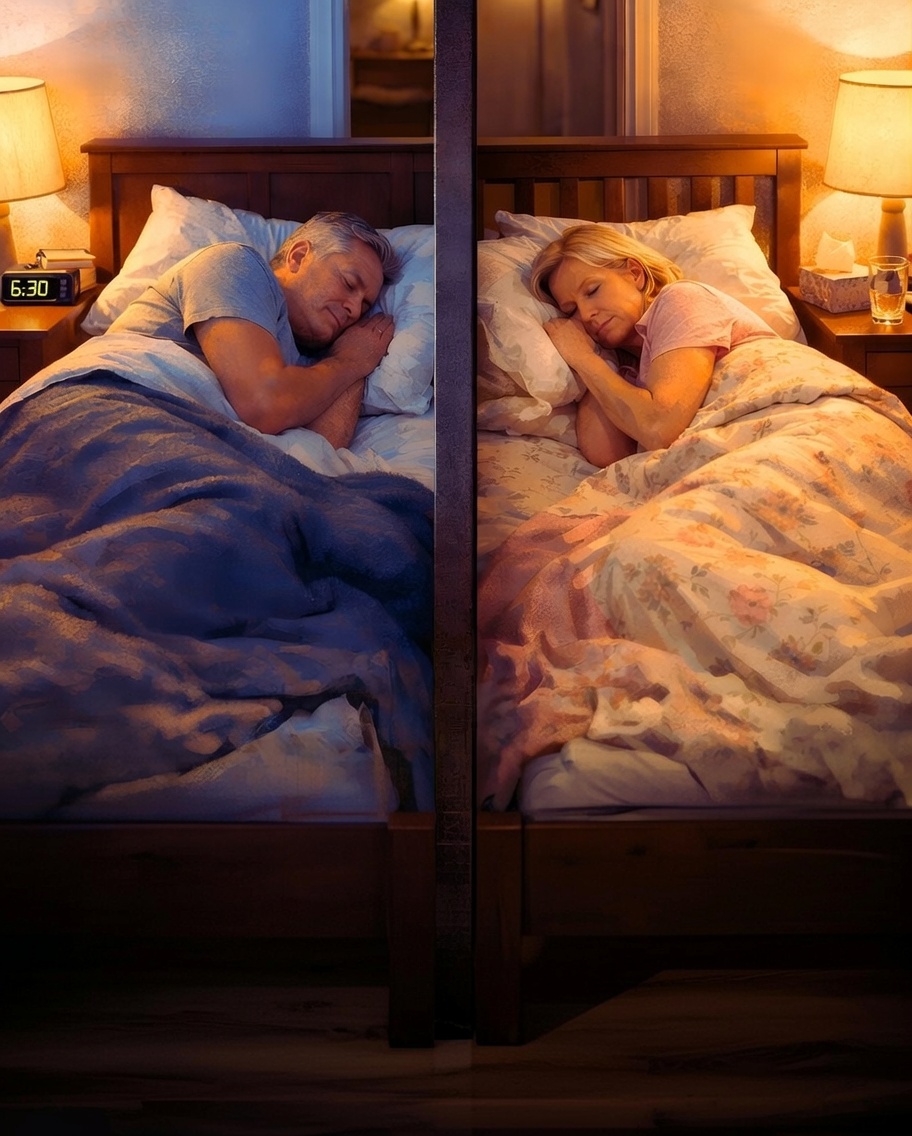
These sleep disruptions rarely align, so sharing a bed can create tension. Separate bedrooms let each partner control temperature, lighting, and mattress firmness—customizing their environment for uninterrupted rest.
Respecting Habits and Routines
Lifestyle differences grow sharper with age. One partner may be a night owl who loves reading late; the other an early riser. Separate sleeping arrangements allow couples to honor these rhythms without friction, reducing frustration and improving harmony.
Reducing Conflict, Boosting Connection
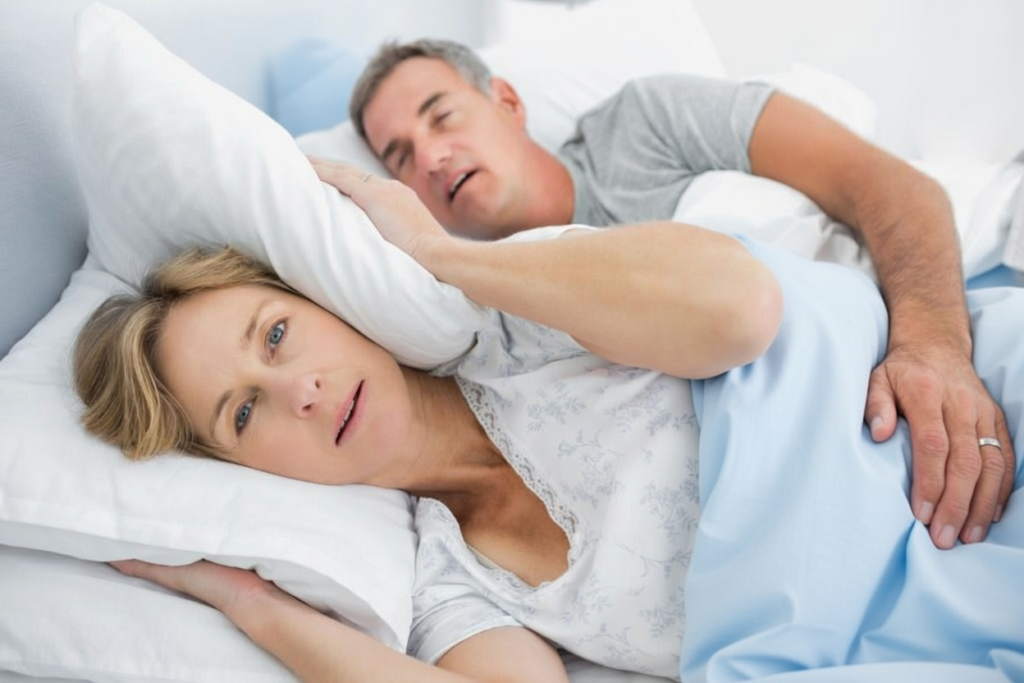
Sleep-deprived couples argue more, feel irritable, and struggle to connect. Sleeping separately often prevents these conflicts and actually strengthens relationships. Intimacy isn’t lost—it thrives in shared meals, hobbies, and quality time. Nighttime arrangements no longer define emotional closeness.
Love Evolves, So Do Bedrooms
The old idea that separate bedrooms signal a failing relationship is fading. Prioritizing individual rest is a form of self-care. Couples often report that better sleep improves intimacy, deep conversations, and shared activities. True love isn’t about sharing a mattress—it’s about respecting each other’s needs.

In Conclusion
Sleeping separately after 50 isn’t a weakness—it’s wisdom. It reduces conflict, honors personal rhythms, and ensures both partners get the rest they need. Love shows itself not only in grand gestures, but in the everyday kindness of letting your partner sleep peacefully.
Do you and your partner sleep separately, or have you considered it? Share your thoughts below!