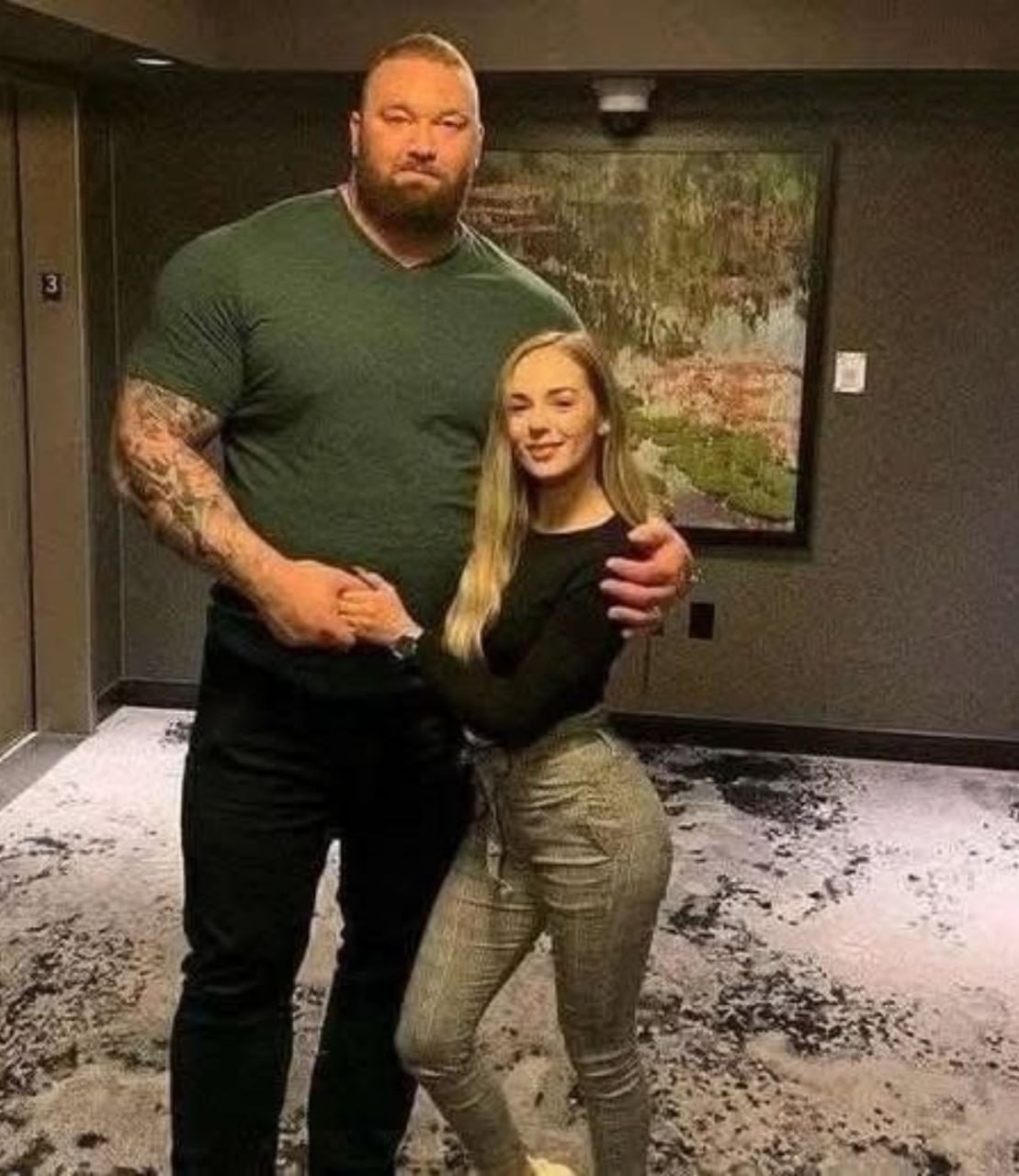
Some theories suggest that, historically, quick visual judgments may have helped humans assess potential partners in uncertain environments. However, these ideas remain theoretical and are widely debated in modern science.
Culture Plays a Bigger Role Than We Think
While biology may contribute to attraction, culture heavily shapes it.
Across many societies, media, movies, and traditional relationship norms have long portrayed taller men with shorter women as the “standard” pairing. Over time, repeated exposure to this image can influence what people believe is attractive.
This means preferences are not fixed or purely instinctive—they are also learned and reinforced through environment and culture.
As cultural expectations shift, so do relationship patterns.
Real Relationships Don’t Follow Strict Rules
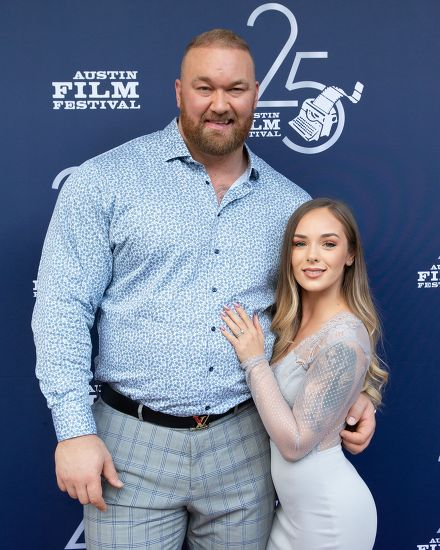
Despite common assumptions, real-life relationships rarely fit into simple height-based patterns.
Millions of couples around the world don’t match the “taller man, shorter woman” expectation—and yet maintain strong, healthy, long-term relationships.
That’s because lasting connection depends far more on:
- Emotional compatibility
- Shared values and life goals
- Communication and trust
- Mutual respect and support
Physical appearance may influence first impressions, but it does not determine long-term success.
How Psychology Explains Attraction More Broadly
Psychological research shows that attraction is multi-layered. Several key factors often interact:
- Familiarity: People tend to feel comfortable with what seems socially normal
- Confidence: Self-esteem can influence how attractive someone appears
- Context: Preferences can shift depending on life stage and situation
This is why attraction is not static. What someone values in a casual setting may differ greatly from what they seek in a long-term partner.
The Effect on Confidence and Self-Image
Discussions around physical preferences can sometimes affect how people view themselves.
Some individuals may feel pressure to meet certain appearance standards, including height expectations. However, research consistently shows that confidence, authenticity, and emotional presence often play a much bigger role in forming meaningful relationships than physical traits alone.
Understanding this can help reduce unnecessary comparison and encourage a healthier perspective on attraction.
Are These Preferences Changing?
Yes—gradually but clearly.
Modern relationships are becoming less bound by traditional expectations and more focused on individual compatibility. Today, many people prioritize:
- Emotional intelligence
- Shared ambitions
- Personal growth
- Life compatibility
This shift reflects a broader move away from rigid “rules” about attraction.
Separating Myths From Reality
Popular media often simplifies scientific findings into catchy but misleading ideas about “hardwired attraction” or “biological rules.”
In reality:
- Science identifies tendencies, not universal laws
- Preferences vary widely between individuals
- Culture is just as influential as biology
Human attraction is too complex to be explained by a single trait.
What Truly Builds Lasting Relationships
While physical traits may influence first impressions, long-term relationship success is built on deeper foundations.
Research consistently highlights:
- Trust and emotional safety
- Communication and understanding
- Shared experiences over time
- Adaptability through life changes
These factors matter far more than height or appearance.
Final Thoughts
Attraction is often spoken about as if it follows clear rules, but human behavior is far more flexible and individual than that.
Height may influence a first glance—but it is connection, compatibility, and emotional depth that shape what lasts.
In the end, attraction is not a formula. It is a constantly evolving mix of instinct, experience, and personal meaning.
What’s your take on attraction and physical preferences in relationships? Share your thoughts below and join the discussion.