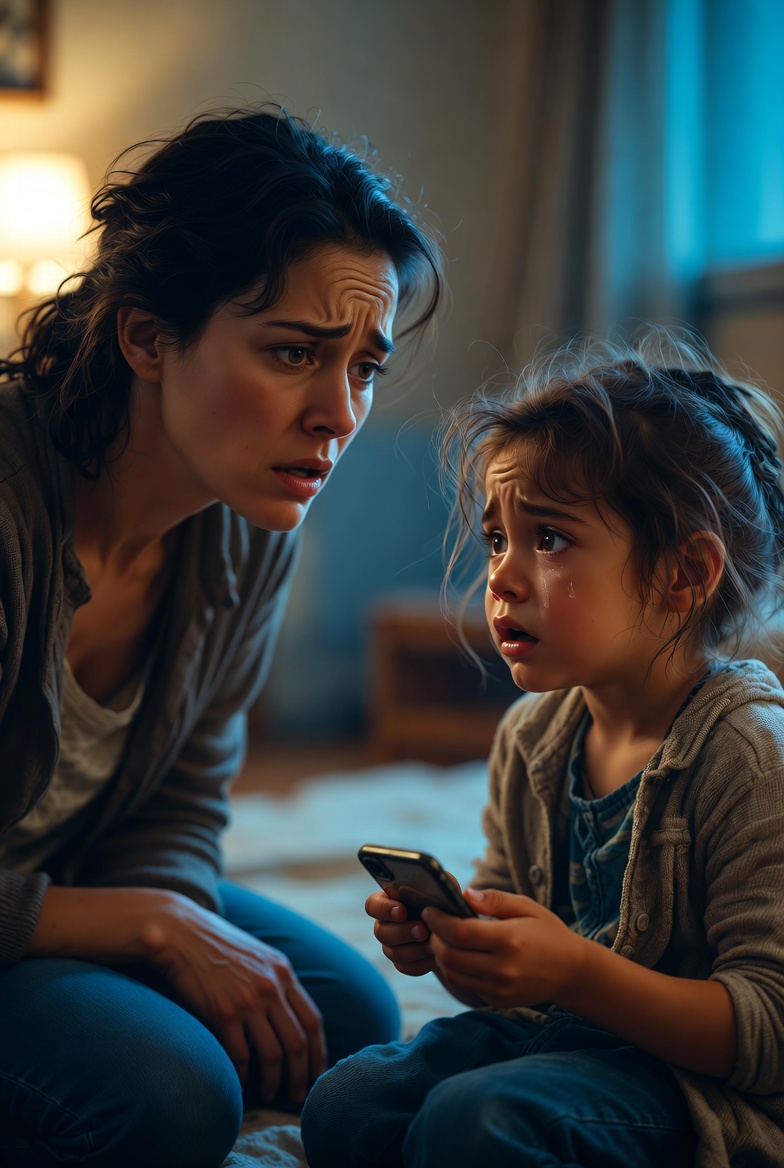
Her words came out fragmented and uncertain, the way frightened children sometimes describe things they do not fully understand themselves. She spoke about a “snake” that hurt people and a gray room where crying was forbidden. To someone unwilling to listen closely, it could have sounded like imagination, confusion, or the strange language of childhood fears.
But a few adults chose not to dismiss her.
And that decision changed everything.
What ultimately protected Sophie and Tommy was not the precision of the story they told, but the courage of the people who looked beyond the surface of their words. Mariela, Stephen, Lucy, and Sara each faced the same uncomfortable choice many adults encounter when something feels wrong: ignore it because it sounds impossible, or investigate despite uncertainty and fear of overreacting.
They chose the harder path.
Instead of explaining away the warning signs, they stayed present. They asked questions. They paid attention to behavior that others might have overlooked. Most importantly, they understood that children experiencing fear or trauma often communicate indirectly, using symbols, stories, or coded language because they lack the vocabulary to explain painful experiences clearly.
Experts who work with vulnerable children frequently emphasize that warning signs are not always obvious. Fear can hide behind silence, strange metaphors, withdrawn behavior, or emotional confusion. Listening carefully sometimes means hearing what a child is trying to communicate emotionally, even when the exact words seem unclear.
By the time authorities intervened, the emotional damage left behind had already altered lives permanently.
Keep reading…