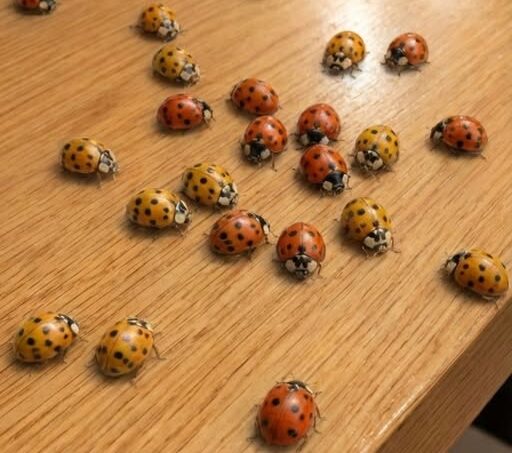
It’s yellow.
Seeing a yellow ladybug for the first time often sparks curiosity. Many people wonder whether it’s actually a ladybug or a completely different insect. The bright color can feel surprising, especially if you’ve only seen the well-known red-and-black variety.
The truth is, yellow ladybugs are real—and they’re more common than many people realize.
Yes, Yellow Ladybugs Really Exist
Yellow ladybugs belong to the same insect family as the traditional red ones. The scientific family is known as Coccinellidae, which includes thousands of different ladybug species around the world.
In fact, scientists have identified more than 5,000 species globally. These species can vary greatly in both color and pattern.
While red with black spots is the most recognizable appearance, ladybugs can also be:
- Yellow
- Orange
- Black
- Spotted or spotless
Because red ladybugs are more commonly seen, the yellow varieties often surprise people when they appear in gardens or parks.
Different Colors, Different Diets
Many gardeners appreciate ladybugs because they eat pests like aphids that damage plants.
However, not all species have the same diet.
While many red ladybugs feed heavily on aphids, some yellow species focus on fungi such as mildew. This means they still help plants—just in a different way.
By feeding on mildew and other plant fungi, these yellow varieties can help keep plant leaves cleaner and healthier.
So if you see a yellow ladybug resting on a leaf, it may actually be doing your garden a favor.
Why Ladybugs Have Bright Colors
The bright yellow color isn’t just decorative. In nature, vivid colors often serve as warning signals to predators.
This strategy is called Aposematism.
Animals use bold colors to warn predators that they may taste bad or have defensive chemicals. Ladybugs rely on this method to protect themselves.
If threatened, ladybugs can release a strong-smelling liquid from their legs. Birds and other predators quickly learn that these insects are not a pleasant meal.
Over time, predators begin avoiding brightly colored insects altogether—helping ladybugs survive.
Cultural Meaning and Symbolism
Beyond their role in nature, ladybugs have long been connected to positive symbolism in many cultures.
For centuries, people have viewed ladybugs as signs of:
- Good luck
- Protection
- Positive change
Because the color yellow is often linked with sunlight, happiness, and optimism, some people interpret yellow ladybugs as an especially cheerful symbol.
Spotting one may simply feel like a small moment of good fortune during the day.
A Symbol of Fresh Starts
In some traditions, yellow ladybugs are also connected to new beginnings.
The color yellow is associated with sunrise, fresh energy, and new opportunities. For that reason, encountering a yellow ladybug is sometimes seen as a reminder to embrace change or welcome new chapters in life.
Even for those who don’t believe in symbolic meanings, these interpretations can add a bit of joy to an ordinary day.
Are Yellow Ladybugs Dangerous?
In most cases, yellow ladybugs are completely harmless to humans. They do not pose any serious risk and are usually beneficial for the garden ecosystem.
However, they are sometimes confused with the Asian lady beetle, which looks similar but behaves slightly differently.
Asian lady beetles occasionally gather in large numbers and may enter homes during colder months. While they are not dangerous, they can become a nuisance indoors.
Outside in gardens, though, most yellow ladybugs are simply part of the natural insect community helping maintain balance.
A Small but Fascinating Visitor
Because they are seen less often than the classic red variety, yellow ladybugs can feel like a special discovery. Spotting one resting on a leaf or flower can turn a normal afternoon outdoors into a memorable moment.
These tiny insects quietly contribute to healthy gardens while adding a splash of color to the natural world.
Sometimes, nature’s smallest visitors leave the biggest impressions.