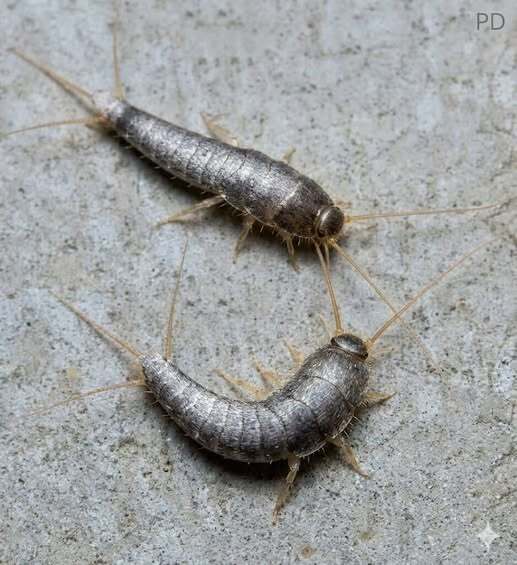
What Are Silverfish?
Silverfish are small, wingless insects recognized for their:
- Silvery-gray color
- Elongated body shape
- Fast, wiggling movement
- Preference for dark, damp environments
Scientists note that silverfish are extremely ancient insects that have existed for millions of years.
They are most commonly found in:
- Bathrooms
- Basements
- Kitchens
- Laundry rooms
- Storage areas
Why Silverfish Enter Homes
Silverfish are attracted primarily by two things:
Moisture
They thrive in humid conditions and often gather in areas with poor ventilation or excess dampness.
Food Sources
Silverfish feed on materials containing starches and sugars, including:
- Paper
- Cardboard
- Glue
- Fabrics
- Wallpaper
- Pantry crumbs
Because of this, cluttered storage areas can unintentionally create ideal environments for infestations.
Signs You May Have More Than One
Experts warn that spotting a single silverfish may indicate additional insects nearby.
Possible signs include:
- Small yellowish stains
- Tiny holes in paper or fabric
- Shed insect skins
- Small dark droppings
- Damage to books or stored materials
Since silverfish prefer hiding during daylight hours, infestations can sometimes go unnoticed for long periods.
Why Early Prevention Matters
Although silverfish do not bite humans or spread disease, experts say they can multiply quickly in favorable conditions.
The longer moisture issues remain unresolved, the more attractive the environment becomes for insects and other pests.
Addressing humidity early often helps prevent larger infestations later.
Tips Experts Recommend
Professionals often suggest several simple steps to discourage silverfish activity:
Reduce Moisture
- Use dehumidifiers
- Improve ventilation
- Repair leaks quickly
- Increase airflow in bathrooms and basements
Remove Food Sources
- Store dry foods in airtight containers
- Reduce paper clutter
- Clean crumbs and dust regularly
Seal Entry Points
- Close gaps near baseboards
- Seal cracks around pipes and walls
- Repair damaged trim or flooring
Natural Repellents Some Homeowners Use
Some people also use natural deterrents such as:
- Cedarwood
- Lavender
- Diatomaceous earth
- Boric acid products
Experts recommend using pest-control products carefully and following safety instructions when applying any treatment inside the home.
Final Thoughts
While silverfish may appear alarming at first, they are generally harmless insects whose presence often points to environmental conditions rather than immediate danger.
In many cases, reducing moisture, improving cleanliness, and maintaining proper ventilation are enough to discourage them naturally.
And according to experts, the biggest lesson silverfish offer homeowners is surprisingly simple:
Sometimes small household pests are warning signs that a home may need better moisture control and maintenance before larger problems develop.