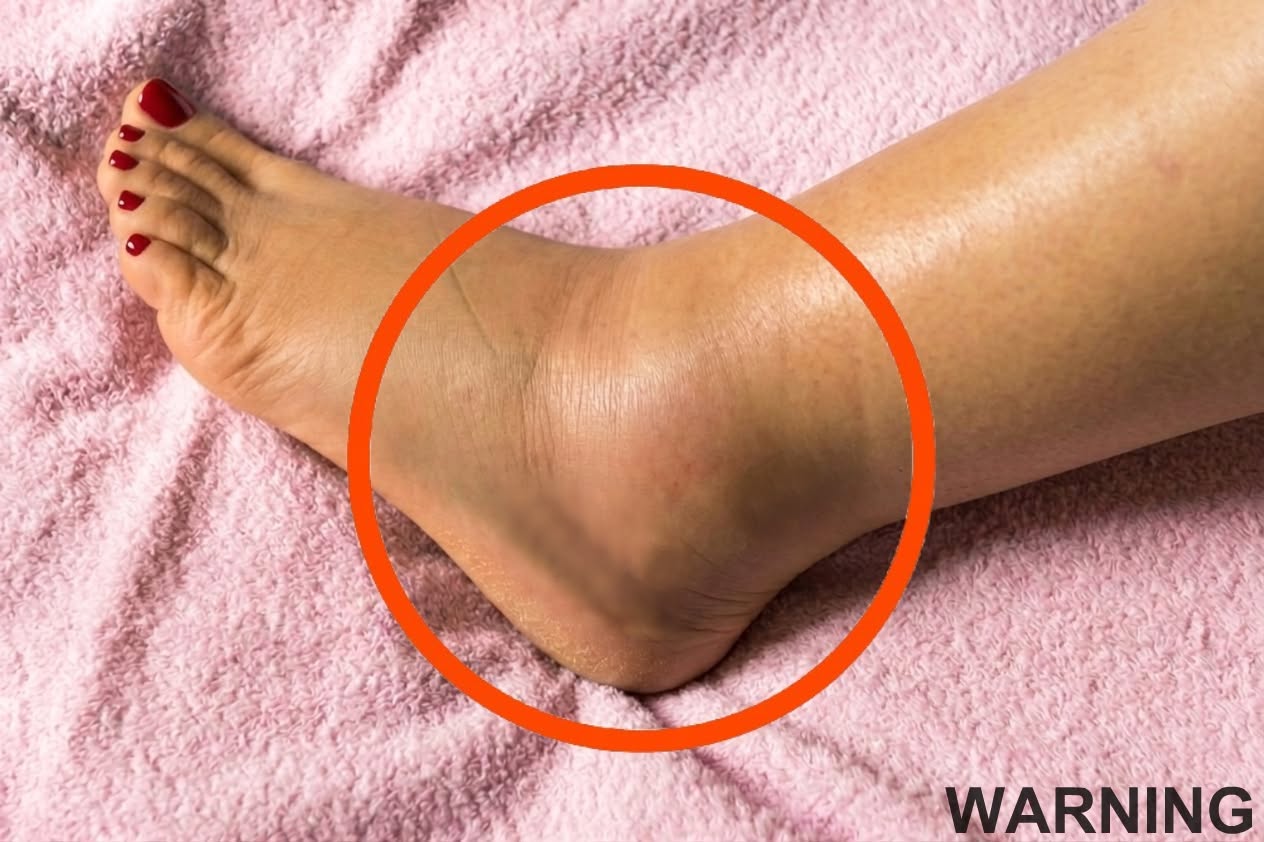
That’s why paying attention to changes in your body matters.
Fortunately, there are several practical steps that may help support healthy circulation and reduce mild swelling.
Regular movement is one of the most effective.
Simple activities such as walking, gentle stretching, and ankle exercises help encourage blood flow and prevent fluid from pooling in the lower extremities. Even short movement breaks throughout the day can make a difference.
Elevating the legs whenever possible may also help reduce swelling by encouraging fluid to move back toward the upper body. Many healthcare professionals recommend raising the feet above heart level for short periods when resting.
Footwear choices matter too.
Supportive shoes can improve comfort and circulation, while properly fitted compression socks may help some individuals manage swelling under medical guidance.
Diet also plays a role.
Reducing excessive sodium intake can help limit fluid retention, while staying hydrated supports the body’s natural balance. Many people are surprised to learn that drinking enough water can actually help reduce swelling in some situations.
Perhaps most importantly, it’s essential to recognize when swelling requires immediate medical attention.
Sudden swelling, severe pain, redness, warmth, chest discomfort, or shortness of breath should never be ignored and may require prompt evaluation by a healthcare professional.
The good news is that early awareness can make a meaningful difference.
By paying attention to symptoms and taking proactive steps, older adults can often protect their mobility, maintain independence, and identify potential health concerns before they become more serious.
Your feet may carry you through life—but sometimes they’re also trying to tell you something important.
Have you or a loved one experienced swelling in the feet or ankles? Share your experiences and helpful tips in the comments below.