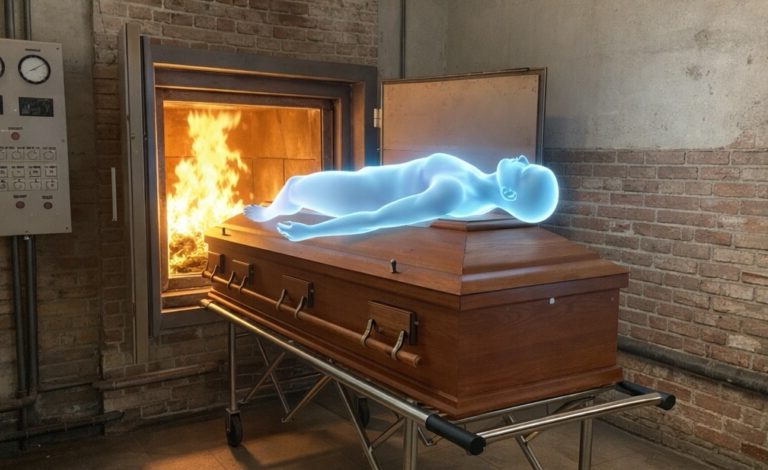
In many parts of the Western world, end-of-life traditions have been quietly changing. Cremation, once far less common, has now become a widely chosen option for families. Practical considerations such as cost, limited cemetery space, and environmental awareness have all contributed to this shift. For many, it is seen as a respectful and meaningful alternative to traditional burial.
Yet within Christian communities, this topic often carries a deeper layer of reflection that goes beyond practicality.
Faith, Tradition, and Meaning
For those guided by biblical teachings, the choice between burial and cremation is often approached with spiritual thoughtfulness. The Bible does not explicitly command or prohibit cremation, which means the discussion is shaped more by interpretation, tradition, and personal conviction than by direct instruction.
Over centuries, burial has remained the most common practice among believers, influenced by cultural customs and religious symbolism.
Why Burial Became the Traditional Practice
In biblical times, burial was the standard way of honoring the deceased. Many key figures were laid to rest with care and dignity, reflecting a strong sense of respect for the human body.
Within Christian tradition, burial also carries symbolic meaning. The burial of Jesus Christ, for example, has long been viewed as a powerful representation of hope and resurrection. Over time, this imagery helped shape a long-standing preference for burial in many Christian communities.
What Scripture Does and Doesn’t Say
Keep reading…