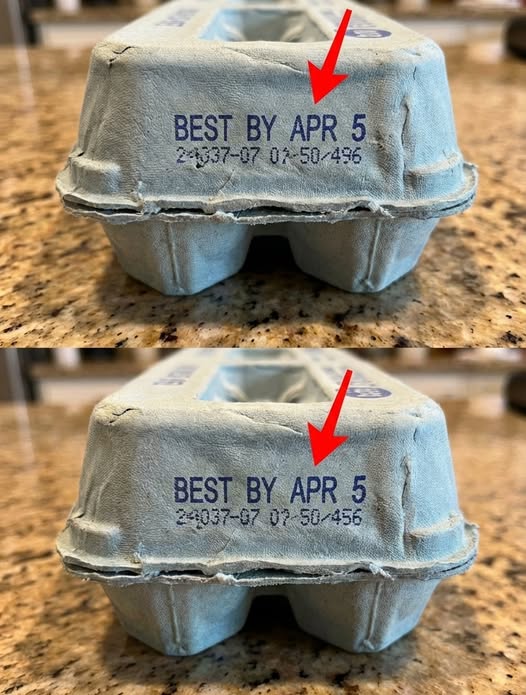
You’ve probably seen it countless times: a tiny three-digit number stamped on the side of your egg carton. Most people ignore it, assuming it’s some factory code or packaging fluff. But that little number? It’s one of the most important clues about your eggs’ safety—and ignoring it could land you in the hospital.
That number is called the Julian date. It tells you the exact day the eggs were packed, not when they expire or when the store shelved them. Numbers run from 001 to 365—001 means January 1, 120 means April 30. Knowing this date helps you calculate the real window for safe consumption: three to five weeks after packing, assuming proper refrigeration at 40°F (4°C) or below.
Sell-by, best-before, and use-by labels? Those are mostly for store inventory. Eggs can remain safe long after those dates if stored correctly. But leave eggs at room temperature or mishandle them, and bacteria like Salmonella can multiply without any warning signs—eggs can look, smell, and cook normally while still making you sick.
Even washing the shell won’t remove bacteria inside. Undercooked dishes like custards, quiches, or soft-scrambled eggs are the riskiest. Eggs and egg-based recipes should reach 160°F (71°C) to ensure safety.
Continue reading on next page…