Kidney disease affects internal body systems in specific ways. The kidneys are responsible for:
• Filtering waste from the bloodstream
• Regulating fluid levels
• Controlling blood pressure
• Maintaining electrolyte balance
In conditions like chronic kidney disease (CKD), symptoms usually develop gradually and may include:
• Swelling in the feet, ankles, hands, or around the eyes (edema)
• Ongoing fatigue
• Changes in urination (frequency, color, or volume)
• Foamy urine (often due to protein leakage)
• High blood pressure
• Nausea or reduced appetite
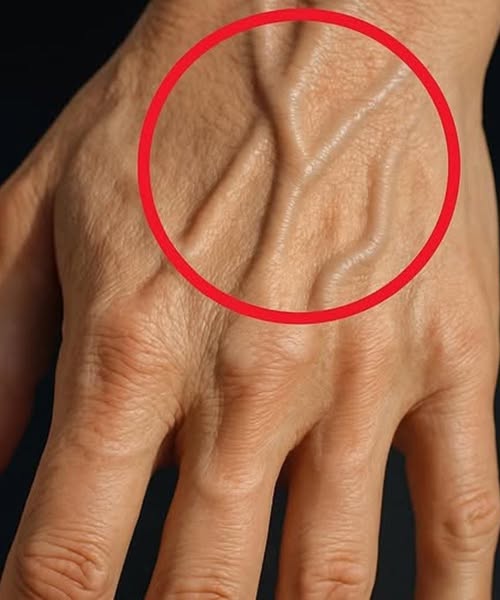
Notice what is missing from this list: visible veins.
Kidney dysfunction more commonly causes fluid retention, not increased vein visibility.
Fluid Balance and Vein Appearance
The kidneys play a major role in regulating fluids. When kidney function declines, the body tends to retain fluid. This can cause swelling and puffiness — which often makes veins less visible.
On the other hand, dehydration reduces plasma volume in the bloodstream. This can temporarily make veins appear more pronounced. Mild dehydration is common and reversible. While repeated or severe dehydration can stress the kidneys, visible veins on their own do not indicate kidney damage.
In simple terms:
Swelling from fluid retention = veins may look less visible
Dehydration = veins may look more visible
Neither situation alone confirms kidney disease.
When Veins and Kidney Conditions Overlap
There is one specific scenario where visible veins are linked to kidney issues — but indirectly.
In advanced kidney failure, such as end-stage renal disease (ESRD), some patients need dialysis. To make dialysis possible, doctors may create an arteriovenous (AV) fistula in the arm. This connects an artery to a vein, enlarging the vein so it can handle repeated needle access.
These veins often become:
• Thicker
• More visible
• Slightly raised
However, this change is the result of a medical procedure — not a symptom of kidney disease itself.
Symptoms That Truly Matter
Instead of focusing on vein visibility, it’s more important to watch for signs that are actually linked to kidney problems:
• Persistent swelling
• Noticeable changes in urination
• Foamy or unusually dark urine
• Ongoing fatigue
• High or difficult-to-control blood pressure
• Shortness of breath
• Unexplained nausea
If visible veins appear together with pain, sudden swelling, discoloration, or changes in circulation, this may point to a vascular issue — not a kidney condition — and should be evaluated.
The Bottom Line
Prominent hand veins are usually:
• A normal anatomical feature
• A reflection of aging or body composition
• A temporary result of hydration or temperature
They are not a reliable sign of kidney health.
Kidney disease shows itself through measurable changes in blood chemistry, urine tests, blood pressure, and fluid balance — not through vein visibility alone.
If you have concerns about kidney function, the appropriate next steps include:
• Blood tests (such as creatinine and estimated GFR)
• Urine testing
• Blood pressure monitoring
• Consultation with a healthcare professional
Your hands can reveal clues about circulation, hydration, or aging. But evaluating kidney health requires proper medical testing — not visual observation alone.