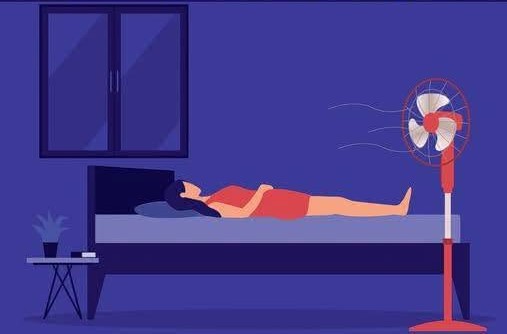
Fan blades can collect dust, pet hair, pollen, and other small particles. When the fan runs, some of that material may circulate around the room. For people with allergies, asthma, or sensitive sinuses, this can potentially worsen sneezing, coughing, watery eyes, or nasal congestion. Bedding, carpets, curtains, and upholstered furniture can add even more airborne particles if they are not cleaned regularly.
Fortunately, enjoying a fan at night does not have to mean giving it up completely.
Try positioning it farther away from the bed and avoid aiming it directly at your face. A lower speed or oscillating setting can provide cooling without concentrating the airflow on one part of your body. Cleaning the fan blades and protective grille regularly can reduce dust buildup, while washing bedding and vacuuming the bedroom may help limit common allergens.
A humidifier may also be useful in very dry rooms, although it should be cleaned carefully to prevent mold and bacterial growth.
For most people, sleeping with a fan is simply a matter of comfort and proper setup. The goal is not to fear the breeze, but to use it wisely. A few small adjustments may help you wake up feeling refreshed instead of dry, congested, or unexpectedly sore.