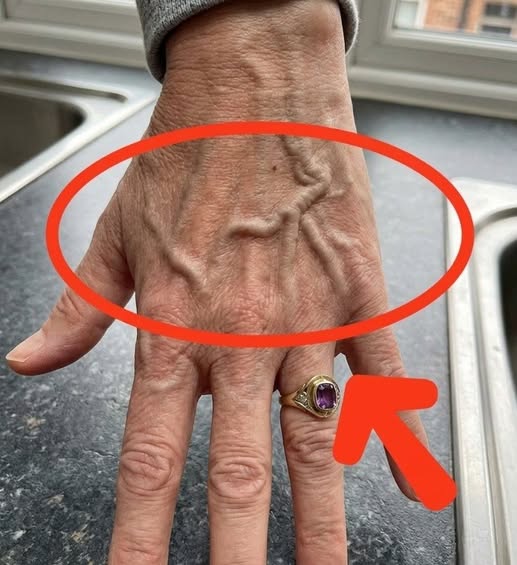
Physical activity is one of the most common reasons veins become more noticeable.
When you exercise, your muscles need more oxygen. This increases blood flow, causing veins to expand temporarily to handle the demand.
Over time, regular strength training can make veins appear more defined because muscles grow and circulation becomes more efficient. This is especially common in active individuals and athletes.
Although the appearance may look dramatic, it is usually a healthy response to improved fitness.
Natural Changes with Age
As we get older, the skin gradually becomes thinner and less elastic. Collagen levels drop, which reduces the skin’s ability to fully conceal underlying structures like veins.
Because of this, veins may naturally become more visible on areas such as the hands, arms, and legs.
This is a normal part of aging and, in most cases, not a cause for concern.
Genetics and Natural Differences
Not everyone has the same vein visibility, and genetics play a major role.
Some people are simply born with more prominent veins. Skin tone can also influence how noticeable they appear—lighter skin may show veins more clearly, while darker tones may make them less visible.
These differences are completely natural and vary widely from person to person.
When Visible Veins Could Signal Something Else
In many cases, visible veins are harmless. However, certain changes deserve closer attention.
It may be worth checking with a healthcare professional if you notice sudden vein changes with pain or discomfort, swelling around a specific area, warmth or redness near a vein, or a feeling of heaviness in the legs, especially after standing.
These signs can sometimes indicate circulation-related issues that need evaluation.
Common Conditions Linked to Vein Changes
Some vein-related conditions can cause noticeable changes in appearance.
Varicose veins are one of the most common examples. They often appear enlarged or twisted under the skin.
Other circulation issues may cause blood to pool in certain areas, making veins swell or become more visible over time.
In some cases, small surface-level clots can also cause localized discomfort and visible changes.
While these conditions vary in seriousness, they often start with subtle signs.
Supporting Healthy Circulation Naturally
Taking care of your circulation can help support overall vein health.
Simple habits make a big difference, such as staying physically active with daily walking, maintaining a balanced body weight, drinking enough water throughout the day, and avoiding long periods of sitting or standing without movement.
In some situations, compression wear may help improve blood flow in the legs by gently supporting circulation.
When to Seek Medical Advice
If vein changes happen quickly, become painful, or are paired with swelling or discomfort, it’s a good idea to get them checked.
A medical professional can help determine whether the changes are harmless or if further care is needed. Early attention often leads to easier management and better outcomes.
Final Thoughts
Visible veins are often just your body responding to everyday changes like activity level, temperature, or natural aging. While they can sometimes look unexpected, they are usually harmless.
Still, your body has its own way of signaling when something needs attention. Paying attention to those signals helps you stay informed and confident about your health.
Want more simple health insights like this?
Keep exploring how your body works—small changes often reveal the most interesting things.