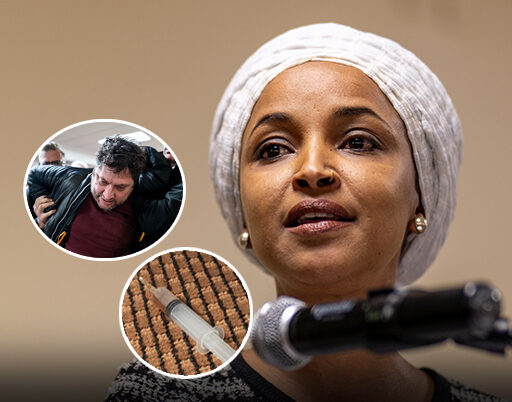
Investigators detained the suspect and reviewed motives. Charges considered went beyond simple assault, focusing on the deliberate attempt to terrorize a public official. Omar framed the incident within the broader context of sustained political hostility, linking it to years of incendiary rhetoric that she says encourages threats and harassment toward her.
Responses were sharply divided. Supporters praised Omar’s composure, while critics downplayed the incident as dramatization. Yet security experts emphasized a larger trend: public officials, especially high-profile figures, are increasingly encircled by protective measures. Screening, barriers, and distancing may enhance safety, but they also erode the accessibility that makes town halls a cornerstone of democracy.
Even without serious injury or a conventional weapon, the act achieved its goal: fear and uncertainty infiltrated a space meant for open dialogue. Experts note that intimidation doesn’t require physical harm—psychological disruption alone reshapes behavior and raises questions about how safe it is for constituents and representatives alike to interact in person.
The incident sparked national debate about political civility, public safety, and the fine line between rhetoric and real-world action. While the substance was harmless, the message was clear: in today’s political climate, even small gestures can carry outsized threats, and public servants must balance safety with duty every time they step into a room.
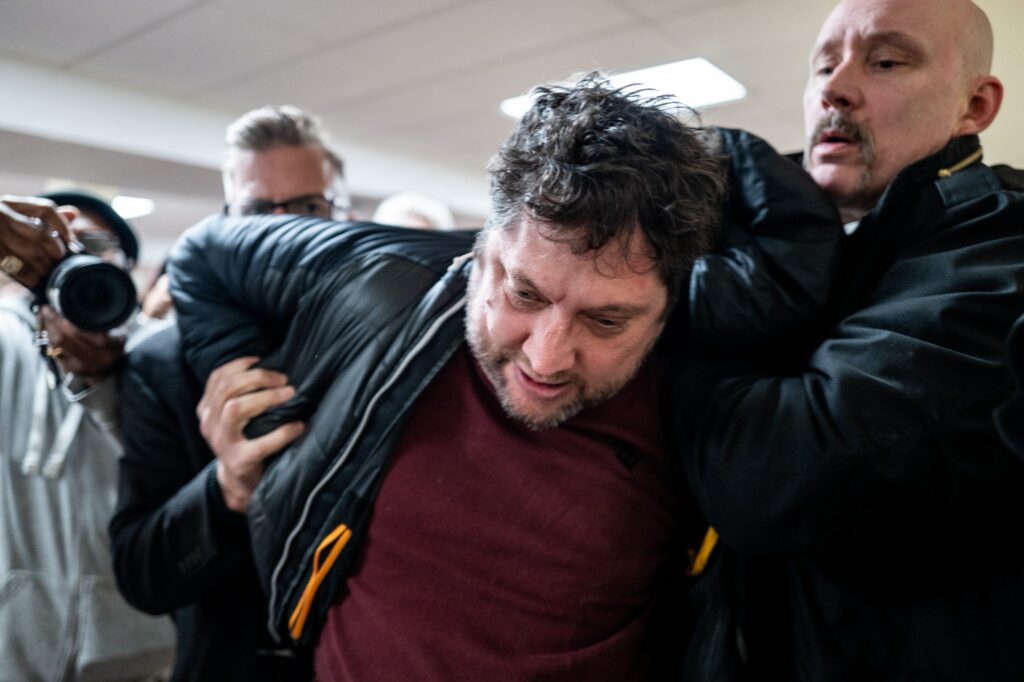
As the dust settled, the town hall faded from headlines, but the image remained: a syringe in a crowded forum, hazmat suits on stage, and a lawmaker choosing to continue her speech. It was a quiet but powerful reminder that democracy depends on courage, vigilance, and resilience in the face of intimidation.
Stay informed on political news and safety updates—follow us for the latest insights and analysis.