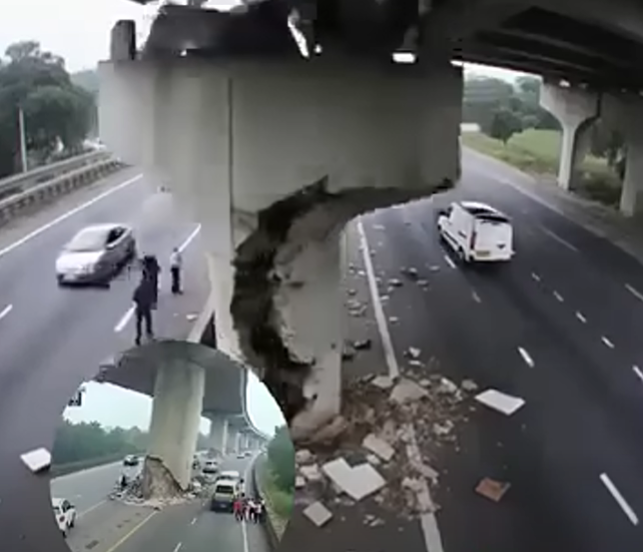
Investigators have now secured the area while structural engineers conduct a detailed assessment. At this stage, authorities have not identified the exact cause of the failure. The investigation is expected to examine multiple factors, including engineering designs, construction methods, inspection records, material quality, weather conditions, and site documentation before any conclusions are reached.
Large bridge and elevated roadway projects involve thousands of interconnected structural elements, making continuous monitoring a critical part of daily operations. Small warning signs—such as unexpected movement, unusual sounds, or visible cracks—can sometimes indicate larger issues that require immediate evaluation. Construction professionals are trained to report these concerns promptly, allowing engineers to assess potential risks before they escalate.
Beyond the physical damage, incidents like this can also affect construction schedules, contractor operations, insurance claims, equipment deployment, and future project planning. Delays are often unavoidable while investigators complete their work and safety officials verify that conditions are secure enough for construction to resume.
Perhaps the most important lesson from this incident is the value of a strong workplace safety culture. Protective equipment is only one part of keeping workers safe. Equally important are regular inspections, effective communication between crews and supervisors, emergency response planning, and the willingness of workers to report anything that appears unusual without hesitation.
As the investigation continues, transportation officials and construction professionals will closely review the findings to determine what improvements, if any, can help reduce similar risks on future infrastructure projects. While the collapse itself caused substantial disruption, the orderly evacuation demonstrates how preparation and teamwork can help prevent a dangerous situation from becoming a devastating tragedy.
What are your thoughts on construction safety and emergency preparedness? Share your opinion in the comments, and don’t forget to share this article to keep the conversation going.