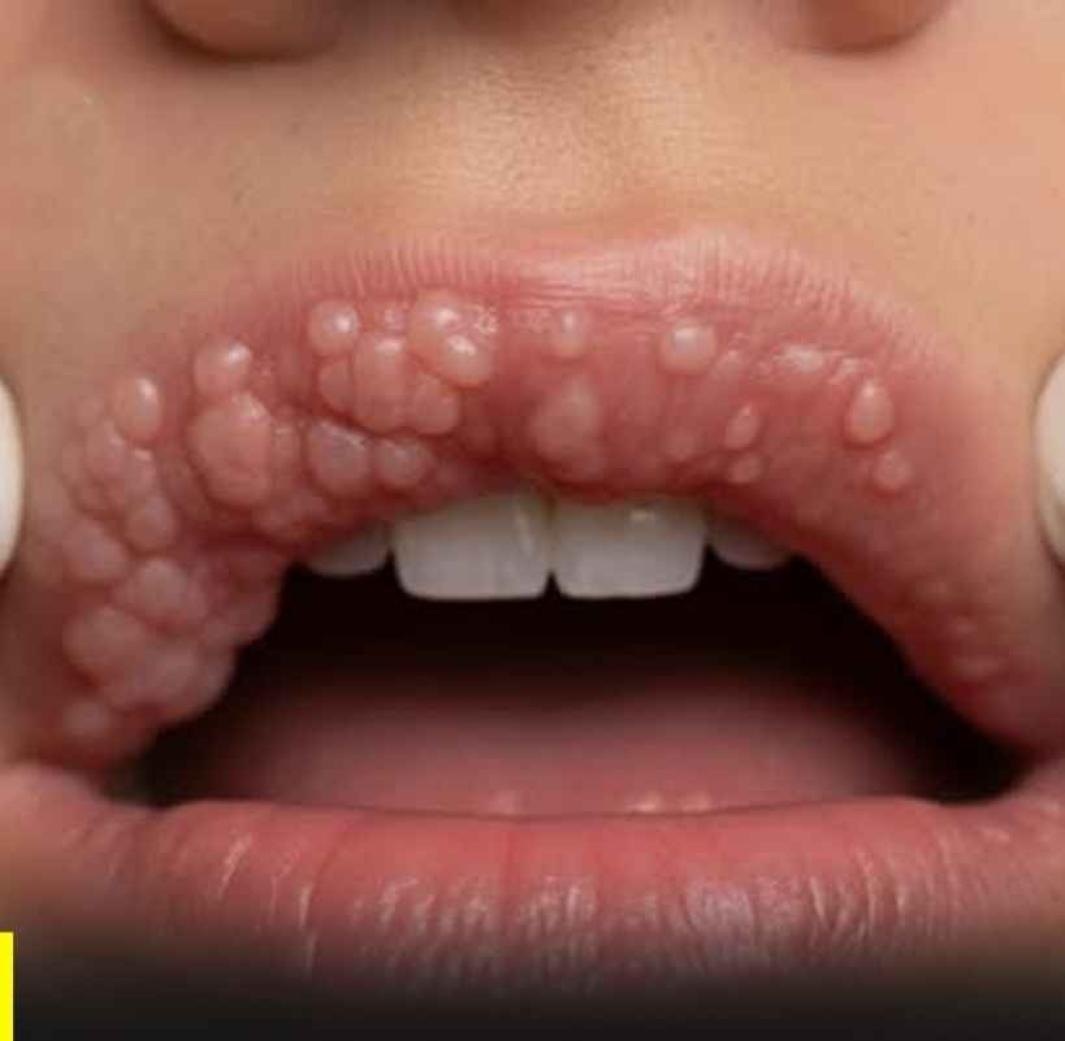
What Is HPV?
HPV refers to a group of more than 100 related viruses that affect the skin and mucous membranes. Some types are harmless and may clear on their own, while others can lead to health complications over time. HPV types are often grouped into two categories:
- Low-risk HPV: These types can cause conditions such as genital warts or mild cellular changes that usually do not develop into cancer.
- High-risk HPV: Certain types are associated with a higher risk of developing cancers, including cervical cancer, as well as cancers of the anus, penis, vulva, vagina, and throat.
Most HPV infections do not cause symptoms and resolve naturally. However, persistent infection with high-risk types can, in some cases, lead to serious illness years later.
Common Myths and the Facts
Misinformation can increase fear and stigma. Here are a few important clarifications:
- Myth: HPV only affects women.
Fact: HPV can affect people of all genders. Many individuals may never notice symptoms, which makes regular health checkups important. - Myth: HPV spreads through shared objects or public facilities.
Fact: HPV is primarily transmitted through close skin-to-skin contact during intimate activity. It is not spread through casual contact, shared items, or public spaces. - Myth: No symptoms means no infection.
Fact: Most HPV infections do not cause visible signs, which is why routine screening is essential for early detection of potential health changes.
HPV and Cancer Risk
Certain high-risk types of HPV are strongly linked to cervical cancer and are also associated with other cancers affecting different parts of the body. Early detection and prevention efforts have been shown to significantly reduce these risks.
Regular screening helps identify changes in the body before they develop into serious illness. When detected early, many HPV-related conditions can be managed effectively with medical guidance.
How to Reduce Your Risk
There is no single treatment that removes HPV from the body, but there are proven ways to lower the risk of infection and reduce the chances of serious complications:
Primary prevention:
- Health education: Learning about sexual health supports informed choices and reduces the spread of infections.
- Vaccination: The HPV vaccine protects against several of the most harmful virus types. It is widely recommended for adolescents and is available to other age groups based on medical guidance. Vaccination has been shown to significantly lower the risk of HPV-related cancers.
Secondary prevention:
- Routine screening:
- Cervical screening tests can detect early cell changes before they become serious.
- HPV testing helps identify high-risk virus types so that appropriate follow-up care can be provided.
A positive test result does not mean someone has cancer. It simply indicates the presence of the virus and the need for monitoring or additional tests, as recommended by a healthcare professional.
A Balanced Approach to Prevention
Reducing the impact of HPV requires a combination of accurate information, access to preventive care, regular medical checkups, and supportive public health programs. Open conversations, free of judgment, help people make informed choices about their health.
Taking care of your health also supports the well-being of your community. When people have access to trustworthy information and preventive tools, serious illnesses can often be avoided or detected early.
Awareness, education, and timely care remain some of the most effective ways to protect yourself and others.