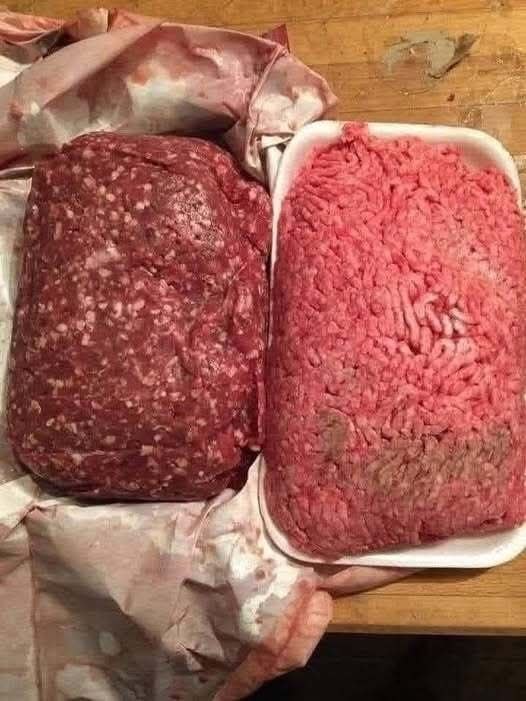
The Meat You Buy Might Not Be What You Think — And Shoppers Are Noticing
Supermarkets have long thrived on one currency: trust. Shoppers expect labels to tell the truth, quality to match the price, and the food on their tables to be safe. Lately, that trust has started to crack—not in a single headline-making scandal, but through subtle changes that millions of shoppers are noticing at the checkout.
It begins small. A steak that used to be tender now feels stringy. Chicken breasts release a suspicious amount of liquid. Ground beef cooks unevenly or smells “off.” At first, people blame shipping delays, storage issues, or a bad batch. They grumble, swap packages, and move on. But the complaints keep piling up.
Soon, online forums, local Facebook groups, and food blogs light up with the same story: something in the supply chain isn’t right. An independent investigation confirms what many suspected. Certain meat distributors—behind the scenes, not the grocery chains themselves—have been blending lower-grade imported cuts with premium domestic meat. Labels remain unchanged. Prices stay high. Shelf displays look identical. The deception is subtle, but unmistakable once the taste and texture give it away.
This isn’t about dangerous meat. It’s about honesty. Mislabeling, misrepresentation, and a premium price tag that no longer matches reality. Experts call it what it is: a trust crisis. One bluntly summarized it: “The problem isn’t the meat. The problem is the lie.”
Continue reading on next page…