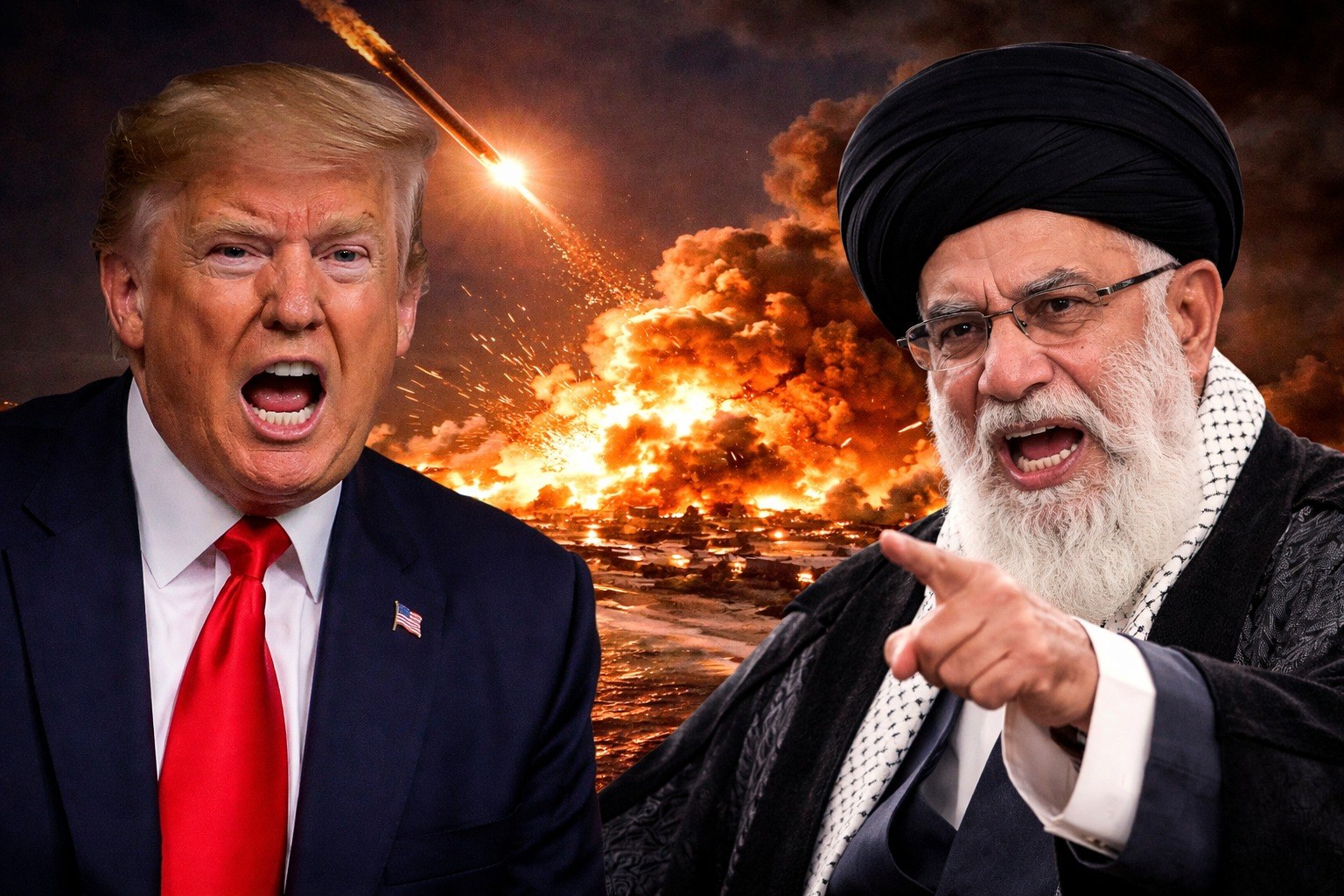
Tensions Explode in the Strait of Hormuz
What began as a routine U.S. transit through the Strait of Hormuz on March 1, 2026, spiraled into a tense standoff in minutes. Missiles launched, countermeasures fired, and retaliatory strikes were on high alert. Global markets froze, military command centers buzzed, and analysts warned that one misstep could trigger a full-blown conflict. The razor-thin line between restraint and catastrophe was on full display.
A Glimpse of Modern Naval Warfare
The incident revealed the precision—and danger—of modern naval combat. Anti-ship missiles from the Iranian coastline streaked toward U.S. vessels, intercepted with split-second accuracy. Electronic warfare systems scrambled to jam hostile radars, each maneuver executed in seconds yet carrying consequences that could ripple for years. Remarkably, no U.S. ship was hit, a stark reminder of how perilously close crises can hover to disaster.
Swift Counterstrikes and Heightened Risk
U.S. forces quickly targeted suspected launch sites, taking out radar systems and missile batteries. While demonstrating military strength, these actions highlighted the inherent risk of operating in one of the world’s narrowest and most volatile corridors. One wrong move, and routine operations could have escalated into a full-scale confrontation. The standoff underscored how quickly the balance between tension and stability can tip.
Continue reading on next page…