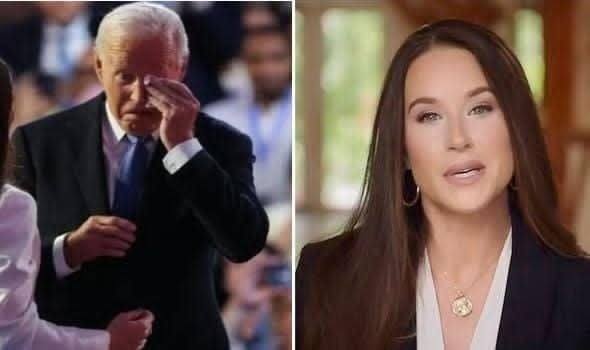
Ilhan Omar broke through the usual political noise with a statement that stopped people in their tracks. She said she believes Tara Reade’s allegation—yet she still planned to vote for Joe Biden. In one sentence, she exposed a collision between moral conviction and political survival, spelling out a tension most voters feel but rarely voice publicly.
For years, “believe women” has been a moral absolute in progressive politics—a corrective to decades of dismissal and institutional protection of powerful men. Omar didn’t reject that principle. Instead, she revealed its fragility when weighed against electoral stakes and the fear of what losing might bring.
Her words landed hard because there was no escape hatch, no neat compromise. She acknowledged a harsh truth: sometimes, even when harm is real, political actors decide that preventing a greater threat outweighs full accountability.
Omar didn’t say Reade was lying. She didn’t dismiss the allegation. She said she believes it—and still, she would vote for Biden. That distinction matters. Supporting a candidate does not automatically erase wrongdoing.
What she described wasn’t hypocrisy; it was triage. Voting becomes less a moral endorsement than a tool for risk management. In elections, there are no clean choices—only different kinds of harm to weigh. Which one feels more survivable?
Her honesty exposed a brutal reality: democracy is not a moral tribunal. Elections are power contests conducted under pressure, imperfect information, and fear. Voters often choose between harms, not between good and evil. Omar simply said it out loud.
Continue reading on next page…