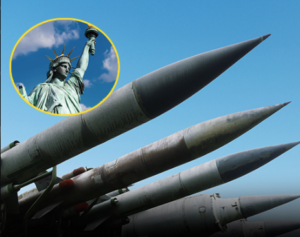
Cities Most at Risk if Global Tensions Escalate—What Experts Warn About Nuclear Vulnerability
Fear of a large-scale war doesn’t always hit with sirens or headlines. It creeps in quietly—through breaking news alerts, rising political tension, and a nagging sense that global stability is thinner than we thought. In recent years, that unease has grown, fueled by fractured alliances, aggressive rhetoric, and escalating disputes that keep analysts and citizens alike on edge.
While promises from Donald Trump’s return to the White House emphasized keeping U.S. troops out of foreign conflicts, certain moves and statements—pressure on Venezuela, sharp words toward Iran, and proposals like acquiring Greenland—have left experts questioning just how fragile global peace really is.
The specter of a third world war haunts the discussion. Unlike past conflicts, a modern global war, especially one involving nuclear weapons, wouldn’t just redraw borders—it could reshape life as we know it. Historians point to deterrence and treaties as barriers, but caution that miscalculations, pride, and failed restraint have sparked wars before.
Nuclear historian Alex Wellerstein notes that in a nuclear conflict, the first strikes would target strategic military assets, not necessarily megacities. Command centers, missile silos, and critical bases would take priority over symbolic targets, putting smaller cities in unexpected danger.
Take Great Falls, Montana. With Malmstrom Air Force Base controlling hundreds of nuclear missile silos nearby, the city’s modest population of 60,000 belies its strategic importance. Similarly, Cheyenne, Wyoming, near Francis E. Warren Air Force Base, and Utah’s Ogden and Clearfield, close to Hill Air Force Base, are highly vulnerable due to their proximity to critical nuclear infrastructure.
Continue reading on next page…