For athletes, this may help with endurance. For everyday people, it may support steadier energy and better focus during the day.
More Than Just Circulation
Beets also contain fiber, which plays an important role in digestion and blood sugar balance.
Fiber helps slow the absorption of sugar into the bloodstream. This can support more stable energy levels and may help reduce sudden crashes after meals.
It also feeds healthy gut bacteria, which are important for digestion and long-term wellness.
That makes whole beets especially useful compared with beet juice, because juice often removes much of the fiber.
The Power Behind the Red Color
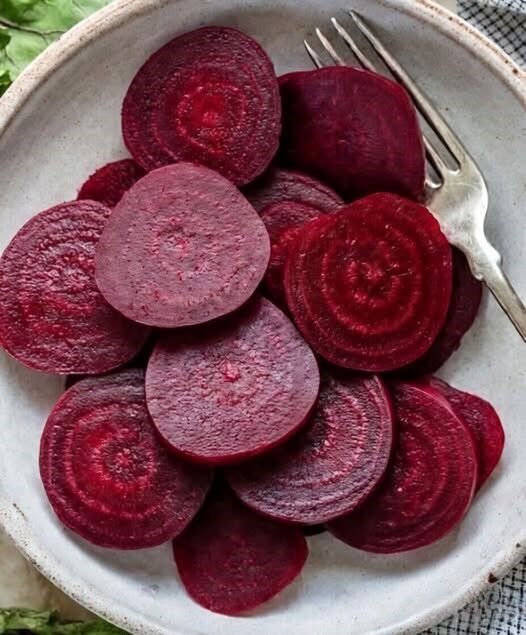
The strong red-purple color of beets comes from compounds called betalains.
These natural pigments act as antioxidants. They help the body deal with oxidative stress and may support a healthier inflammatory response.
In simple terms, betalains are one reason beets are seen as more than just a basic side dish. They give beets both their bold color and part of their nutritional value.
Important Nutrients in Beets
Beets also contain several nutrients the body needs for daily function.
They provide folate, which supports cell growth and healthy blood cells. They also contain potassium, which helps with fluid balance, muscle function, and nerve signaling.
Manganese supports metabolism and bone health, while small amounts of iron contribute to oxygen transport in the body.
So, while beets are often praised for nitrates, their benefits come from a wider mix of nutrients working together.
Beets Are Helpful, Not Magical
It is important to be realistic.
Beets will not erase years of unhealthy habits, instantly burn fat, or replace medical care. They are a helpful food, not a miracle solution.
People with diabetes should be careful with beet juice because it may affect blood sugar more quickly than whole beets. Whole beets are usually the better option because they contain fiber.
Some people may also notice pink or reddish urine after eating beets. This can look alarming, but it is usually harmless.
People with a history of kidney stones should also pay attention to beet intake because beets contain oxalates, which may be an issue for some individuals.
And anyone taking medication for high blood pressure should speak with a healthcare professional before using large amounts of beet juice regularly.
The Best Way to Add Beets to Your Diet
The real benefit of beets comes from consistency, not extremes.
You do not need a dramatic juice cleanse or a complicated diet plan. Simple habits work better.
Beets can be roasted, added to salads, blended into soups, mixed with grains, or served with leafy greens.
Eating them regularly in normal portions is a more realistic approach than trying to consume large amounts all at once.
The Main Takeaway
Beets are popular for a reason.
They may support blood flow, heart health, digestion, energy, and antioxidant protection. Their natural nitrates, fiber, betalains, and minerals make them a strong addition to a balanced diet.
But they work best as part of a healthy lifestyle, not as a shortcut.
Sometimes, the most useful foods are not expensive supplements or trendy products. Sometimes, they are simple vegetables that have been sitting in the grocery aisle all along.
Do you eat beets regularly, or would you try adding them to your meals? Share your thoughts in the comments.