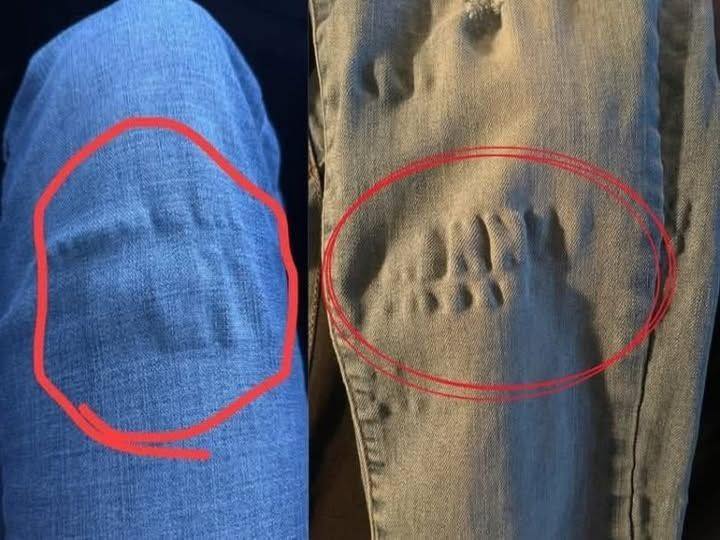
Why Your Jeans Get Ripples After Washing (And How to Prevent It)
Finding the perfect pair of jeans often feels like a small victory. They fit just right, feel comfortable, and become a reliable part of your everyday wardrobe. But after a few trips through the washing machine, many people notice something frustrating—those once-smooth jeans suddenly develop ripples, puckers, or strange twists in the fabric.
This common problem isn’t random. It’s actually the result of how modern denim is made and how it reacts to heat, water, and movement during washing and drying. Understanding a little about denim care can help you keep your favorite jeans looking great for years.
The Hidden Change in Modern Denim
Traditional jeans were once made from 100% cotton denim, a sturdy fabric known for its durability. While strong, that fabric was stiff and often required weeks or months of wear to soften.
Today’s jeans are different. Most modern denim blends cotton with stretch fibers like elastane or Lycra to create a more comfortable and flexible fit. These fibers allow jeans to move with your body and maintain a slim shape.
However, stretch fibers are sensitive to heat.
When exposed to hot water or high dryer temperatures, these elastic threads can weaken or lose their ability to bounce back. Once that happens, the cotton fibers around them shift out of place, leading to permanent waves or wrinkles in the fabric.
This effect is often called “elastic fiber breakdown,” and once it happens, it’s difficult to completely reverse.
Washing Jeans Too Often
Another major reason jeans lose their shape is overwashing.
Many people wash their jeans after every wear, but denim experts often recommend washing them far less frequently. Every wash cycle exposes the fabric to agitation, water absorption, and detergent chemicals.
Cotton fibers expand when wet, while stretch fibers react differently. Over time, repeated washing causes these materials to expand and contract unevenly. This imbalance can lead to puckering around common stress areas such as:
Continue reading in the next page…