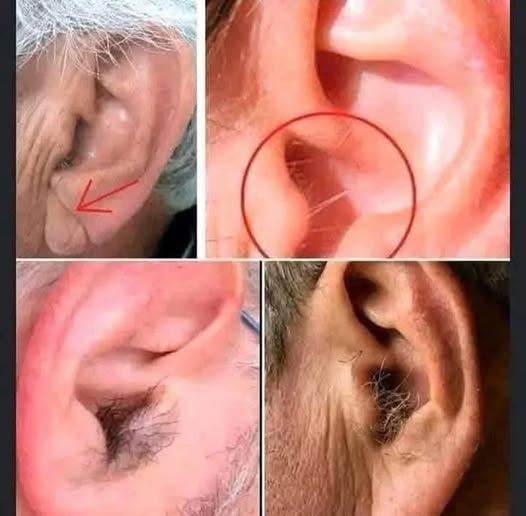
That is why someone may notice very little ear hair when they are younger, but more of it later in life.
It does not always mean hormone levels are rising. Sometimes the follicles are simply reacting more strongly than before.
Ear Hair Actually Has a Purpose
Even though many people see ear hair as annoying, it is not useless.
Tiny hairs inside the ear help protect the ear canal. They can trap dust, dirt, and small particles before they travel deeper into the ear.
In that way, ear hair works like a small natural filter.
It helps reduce irritation and may help keep unwanted debris away from sensitive parts of the ear.
So while visible ear hair may not be something people enjoy seeing, it does serve a protective role.
Genetics Also Matter
Family history can make a big difference.
If a person’s father, grandfather, or other relatives developed noticeable ear hair as they aged, there is a higher chance they may experience the same thing.
Genetics can affect:
- how many hair follicles a person has
- where hair grows
- how thick that hair becomes
- how sensitive follicles are to hormones
So, for many people, ear hair is simply inherited.
It is not automatically a sign of poor health.
When Ear Hair Might Need Attention
Most ear hair growth is harmless.
But sudden or extreme changes should not be ignored.
If hair starts growing very quickly, becomes unusually thick in a short time, or appears together with other symptoms, it may be worth speaking with a healthcare professional.
In rare cases, unusual hair growth can be linked to conditions such as hypertrichosis, which causes abnormal hair growth in areas where it is not typically expected.
This is not the same as ordinary age-related ear hair. It is usually more noticeable, more widespread, and more unusual.
What About Heart Health?
Some studies have looked at whether heavy ear hair could be connected to heart disease risk.
However, the evidence is not clear enough to say that ear hair alone is a reliable warning sign.
That means people should not panic just because they notice hair around their ears.
Still, if ear hair growth appears along with symptoms such as chest pain, shortness of breath, dizziness, or unexplained fatigue, it is better to get checked by a doctor.
Ear hair by itself usually means very little. The bigger picture matters more.
The Main Takeaway
For most people, ear hair is simply a normal part of aging.
It can happen because of hormonal sensitivity, genetics, and natural changes in hair follicles over time. While it may feel embarrassing or annoying, it is usually harmless.
The important thing is to notice the difference between gradual, normal changes and sudden, unusual ones.
In most cases, ear hair is not something to fear. It is just another small reminder that the body continues changing with age.
Have you noticed this change with age, or did it surprise you? Share your thoughts in the comments.