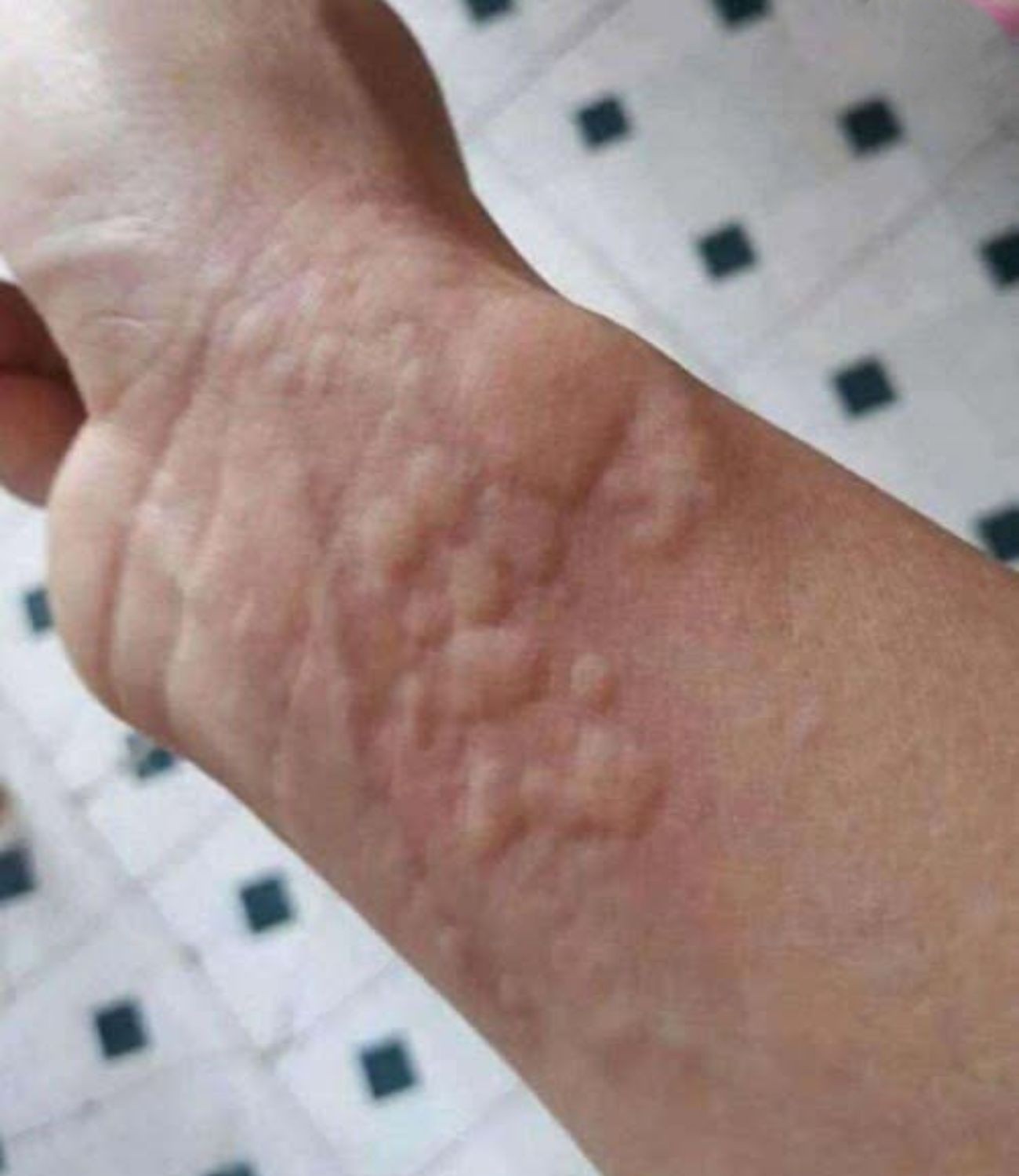
Skin-related signs may include widespread hives, flushing, or intense itching.
More serious respiratory signs include tightness in the chest, wheezing, difficulty breathing, or a sensation that the throat is narrowing.
Swelling of the lips, tongue, or face can also occur and should be taken seriously, especially when combined with breathing changes.
When these symptoms appear together, it should always be treated as an emergency.
Why Breathing Symptoms Are Critical
Skin reactions alone are often manageable. However, when the airways are affected, the situation becomes significantly more dangerous.
Breathing difficulty can signal that swelling is impacting airflow, which can reduce oxygen intake and lead to rapid deterioration if not treated promptly.
The Importance of Epinephrine
Epinephrine is the primary emergency treatment for Anaphylaxis. It works quickly to relax airway muscles, reduce swelling, and support blood circulation.
For individuals with known severe allergies, an auto-injector is often prescribed. Medical guidelines emphasize using it immediately when breathing symptoms begin, rather than waiting to see if the reaction improves.
Why Fast Action Matters
One of the biggest risks in allergic emergencies is delay. Symptoms can worsen within minutes, and hesitation can increase danger.
The recommended response is simple and direct: administer epinephrine if available, call emergency services right away, and stay with the person while monitoring their condition.
Trusting Your Body’s Warning Signals
Many people experiencing severe allergic reactions report a sudden sense that something is wrong. This internal alarm is part of the body’s stress response and should not be ignored.
Recognizing these early warning signals can help prompt faster action before symptoms escalate.
Common Triggers
Severe allergic reactions can be triggered by a wide range of substances, including certain foods like nuts or seafood, medications, insect stings, and environmental allergens.
In some cases, a person may react to something they previously tolerated without issue, which is why vigilance is important even for those without a long allergy history.
Prevention and Preparedness
For individuals with known allergies, preparation is essential. Carrying prescribed medication, understanding personal triggers, reading labels carefully, and informing close contacts can significantly reduce risk.
Even for those without known allergies, understanding the warning signs of Anaphylaxis can help you respond effectively if someone around you experiences a reaction.
A Balanced Understanding
Most cases of hives are not dangerous. However, the key concern arises when skin symptoms are accompanied by breathing changes.
The goal is not to create fear, but awareness. Recognizing when a reaction becomes serious allows for faster, more effective action.
Final Thoughts
The body often gives early clues when something is wrong. While hives alone are usually harmless, their combination with respiratory symptoms should always be taken seriously.
Awareness turns uncertainty into readiness, and readiness can make all the difference in an emergency.
If this helped you understand the warning signs better, consider sharing it with others. You never know whose awareness might one day make a life-saving difference.