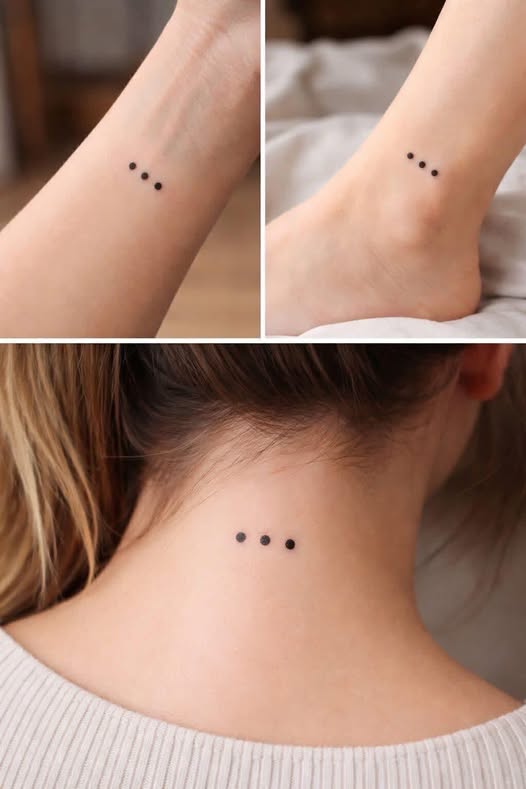
In ordinary life, that phrase may sound like a moral saying about avoiding wrongdoing. But in prison culture or street environments, it can take on a much sharper meaning.
There, the phrase may be linked to silence.
It can suggest that a person does not talk to authorities, does not expose others, and follows an unwritten code of loyalty. In those settings, silence is often treated as survival. Speaking too much, sharing information, or cooperating with outsiders can carry serious consequences.
So the three dots can become more than decoration.
They can represent a mindset: keep quiet, stay loyal, and do not reveal what you know.
The “Mi Vida Loca” Meaning
Another well-known meaning comes from the Spanish phrase:
“Mi Vida Loca”, meaning “My Crazy Life.”
This interpretation is especially associated with certain Latin American and street-culture contexts.
In that meaning, the tattoo can represent a life filled with struggle, risk, instability, or intense personal experiences. It may point to someone who has lived through hardship, made difficult choices, or survived an environment where life was unpredictable.
For some, it can be a symbol of identity.
For others, it may be a reminder of a past they no longer live.
That is what makes the tattoo complicated. The same three dots can mean pride, pain, loyalty, survival, or regret depending on the person.
Not Everyone With the Tattoo Has the Same Story
This is where people often get it wrong.
The three-dot tattoo does not have one universal meaning.
Not every person who has it is connected to prison life. Not every person who wears it is involved in street culture. Not every version of the tattoo should automatically be treated as a warning sign.
Some people get it to represent friendship. Others use it to mark a difficult period in their life. Some choose it because it looks simple and meaningful. Others may copy the design without fully knowing its older associations.
That happens often with tattoos.
Symbols that once belonged to specific groups can move into mainstream culture. Over time, their original meaning becomes blurred. A design that once carried a serious reputation may later appear on people who have no connection to that background at all.
So yes, the tattoo has history.
But judging someone only because of it can be misleading.
Why People Still React to It
Even though tattoos are more common than ever, certain symbols still carry weight.
A visible tattoo can affect how people are perceived, especially when the design is linked to crime, prison culture, or underground communities. The three-dot tattoo is one of those symbols that can still make people pause, particularly if they recognize its older meanings.
That reaction can follow someone for years.
A person may have gotten the tattoo during a rough period of life. Later, they may change completely. They may build a family, start a career, leave old circles behind, and try to create a stable future.
But the tattoo stays.
That small mark can continue to invite questions, assumptions, or judgment long after the story behind it has changed.
This is one of the difficult realities of visible symbols. They can freeze people in the eyes of others, even when their life has moved forward.
Tattoos Can Mark Survival, Not Just Rebellion
For many people, tattoos are not simply about style.
They can hold memories.
Some tattoos represent grief. Some represent loyalty. Some represent danger survived. Some represent mistakes. Some represent a version of a person they once were but no longer want to be.
The three-dot tattoo often sits in that gray area.
It may represent a difficult life, but that does not always mean the person wearing it is dangerous. It may represent silence, but that silence may come from survival. It may represent rebellion, but it may also represent pain.
That is why context matters.
A symbol can tell part of a story, but it rarely tells the whole story.
Why the Placement Matters
The three-dot tattoo is often placed between the thumb and forefinger because that area is visible but still small enough to seem discreet.
This placement can make the tattoo easy to notice during everyday actions: shaking hands, holding a phone, signing papers, or paying for something.
That visibility is part of why the symbol became recognizable.
Unlike a hidden tattoo, a hand tattoo is difficult to conceal. It can become part of a person’s public image, whether they want it to or not.
For someone who got the tattoo during a specific chapter of life, that visibility can become complicated later. It may invite curiosity from strangers, concern from employers, or judgment from people who know the tattoo’s reputation but not the wearer’s personal story.
A Small Design With a Big Message
The reason the three-dot tattoo continues to attract attention is because it represents more than its size suggests.
Three tiny marks can point to ideas like loyalty, secrecy, hardship, survival, identity, or transformation. That gives the tattoo a reputation far larger than the design itself.
But the most important thing to remember is this: symbols are not always simple.
A tattoo can carry history, but people carry even more.
Someone’s ink may reflect a painful past, a personal belief, a cultural connection, or a choice made years ago. Without knowing the person, it is impossible to know exactly what the tattoo means to them.
That is why the three-dot tattoo should be understood with awareness, not automatic judgment.
The Real Lesson Behind the Three Dots
The three-dot tattoo remains one of the most talked-about small tattoo symbols because it sits between mystery and meaning.
It can be connected to prison culture. It can represent “Mi Vida Loca.” It can symbolize silence, loyalty, or survival. It can also simply be a personal mark chosen for reasons only the wearer fully understands.
That is what makes it powerful.
It reminds us that small symbols can carry deep stories, and those stories are not always visible from the outside.
A person’s tattoo may tell you something about where they have been, but it does not always tell you who they are today.
What do you think — should tattoos with strong histories be judged by their original meaning, or should the wearer’s personal story matter more? Share your thoughts and join the conversation.