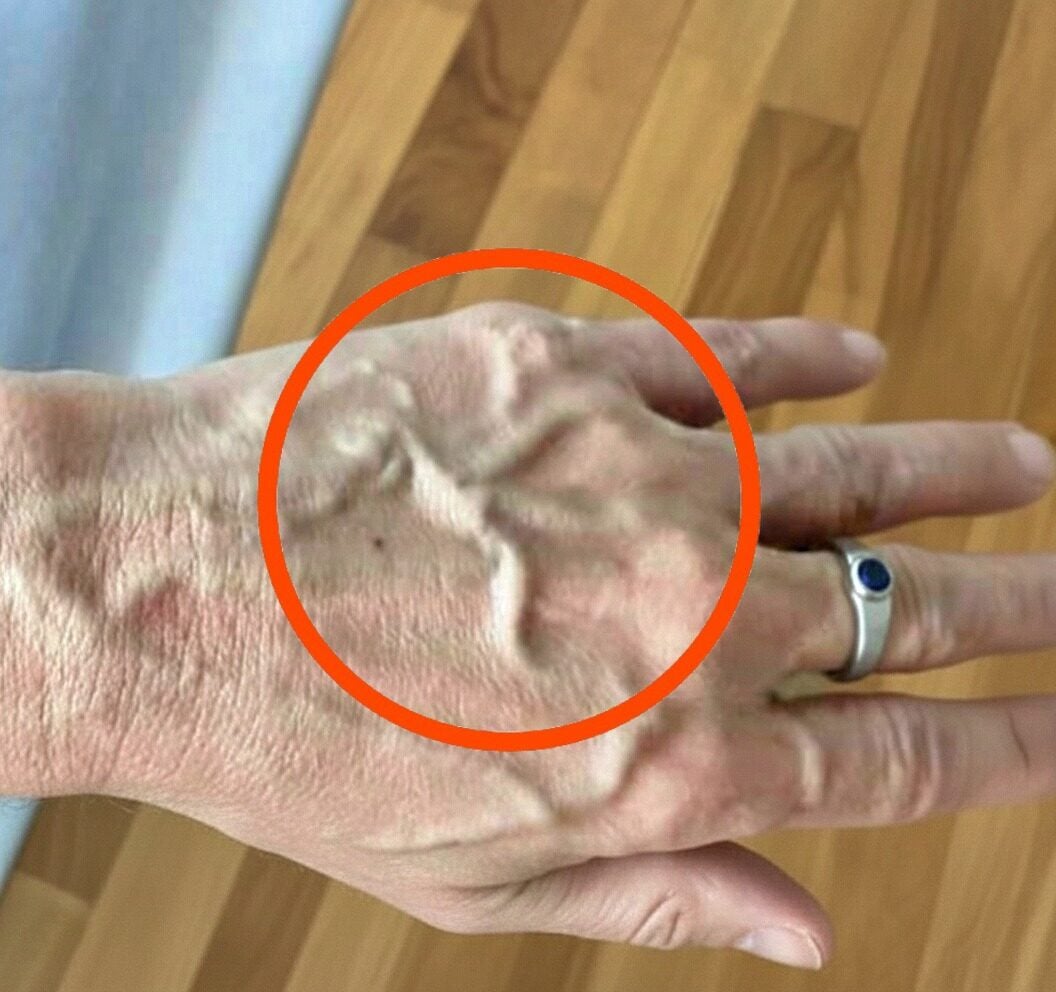
Visible veins can be completely normal, and in many cases they’re simply a reflection of how the body changes over time. For some people, veins become more noticeable after exercise, when muscles are actively working and blood flow increases. In others, lower body fat or naturally thinner skin makes veins sit closer to the surface, giving them a more prominent appearance. Hot weather can also play a role, since the body expands blood vessels to help regulate temperature. Even life stages such as pregnancy or menopause can temporarily shift circulation patterns and make veins stand out more than usual.
In these situations, the change is usually gradual and not accompanied by discomfort. The skin looks different, but the sensation remains normal. Many people first notice it in the hands, arms, or legs and assume something unusual is happening, when in reality it’s often just the body responding to everyday conditions. Aging can also contribute, as skin naturally loses some of its thickness and elasticity over time, allowing underlying structures to become more visible.
However, there are times when visible veins deserve closer attention. If veins suddenly appear without an obvious reason, or if they feel raised, firm, or “rope-like” under the skin, it may indicate an issue with circulation. Warning signs become more significant when they are paired with symptoms such as pain, redness, swelling, or warmth in the affected area. These could point to inflammation of a vein or, in some cases, a blood clot that requires medical evaluation.
Keep reading…