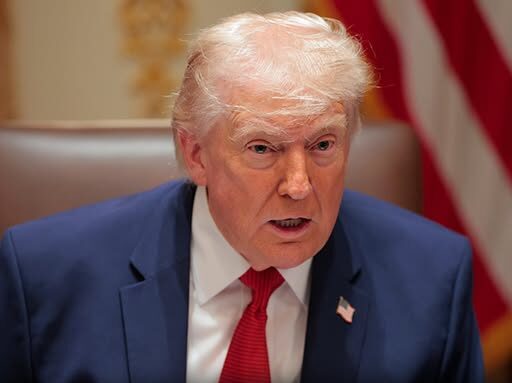
Notably, the criticism did not come only from political opponents. Several conservative commentators and Christian voices—groups that have often supported Trump—expressed concern about the imagery. Some described it as inappropriate, arguing that it crossed a line by blending political messaging with religious symbolism.
Public figures such as Megan Basham and Michael Knowles voiced criticism, suggesting that the post could be seen as disrespectful to religious beliefs. Others questioned the intent behind the image, emphasizing the importance of humility in public leadership.
At the same time, reactions across social media varied widely. Some users dismissed the image as exaggerated or symbolic, while others viewed it as part of a broader pattern of stylized or AI-generated portrayals that have become more common in political communication.
The situation highlights a growing tension in modern media, where digital tools can amplify messages quickly but also blur the line between symbolism and interpretation. When political figures share highly stylized content, it can resonate strongly—but also carry unintended meaning for different audiences.
Despite the backlash, it remains unclear whether the controversy will have any lasting impact. Similar moments in the past have often generated intense discussion before fading from the spotlight.
What this episode does show, however, is how sensitive the intersection of politics, technology, and faith can be—especially when imagery is open to multiple interpretations.
What’s your take on this situation? Share your thoughts below and join the conversation.