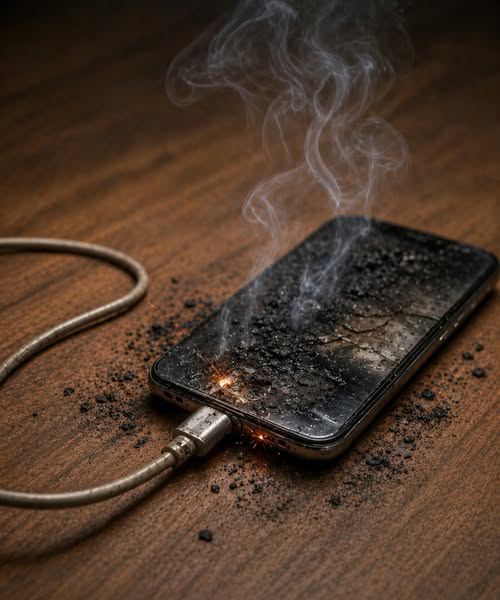
Chargers have become one of the most essential tools in modern life. From smartphones and laptops to tablets and wearable devices, they quietly power the technology people rely on every day. Because they are used so often, they are usually treated as simple, harmless accessories.
However, behind their small size lies a system that manages electricity and heat—two factors that require careful handling. When used incorrectly or with poor-quality products, chargers can present risks that are often overlooked.
The Risk of Low-Quality and Uncertified Chargers
One of the biggest safety concerns comes from cheap or counterfeit chargers that are widely available in the market. While they may seem attractive due to lower prices, many of these products are not built to meet proper safety standards.
Unlike certified chargers, they may lack important protections that regulate power flow and prevent overheating. This can lead to unstable charging, which may gradually affect battery health or cause devices to heat up excessively.
In more serious cases, poor electrical control can increase the risk of short circuits or overheating. Certified chargers are designed to manage these risks through built-in safety features that help maintain stable performance and reduce potential hazards.
Warning Signs of Damaged Charging Cables
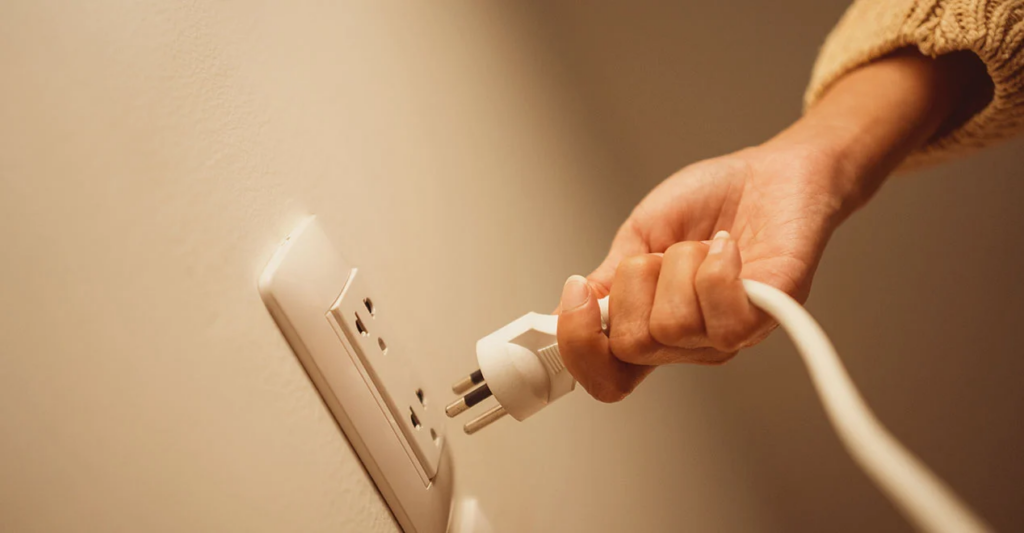
Charging cables also wear down over time, especially with frequent bending or twisting. Frayed edges, exposed wires, or loose connections are clear signs that a cable may no longer be safe to use.
Even if a damaged cable still works, it can create unstable electrical flow. This may lead to interruptions in charging, overheating, or in some cases, electrical sparks.
Keep reading…