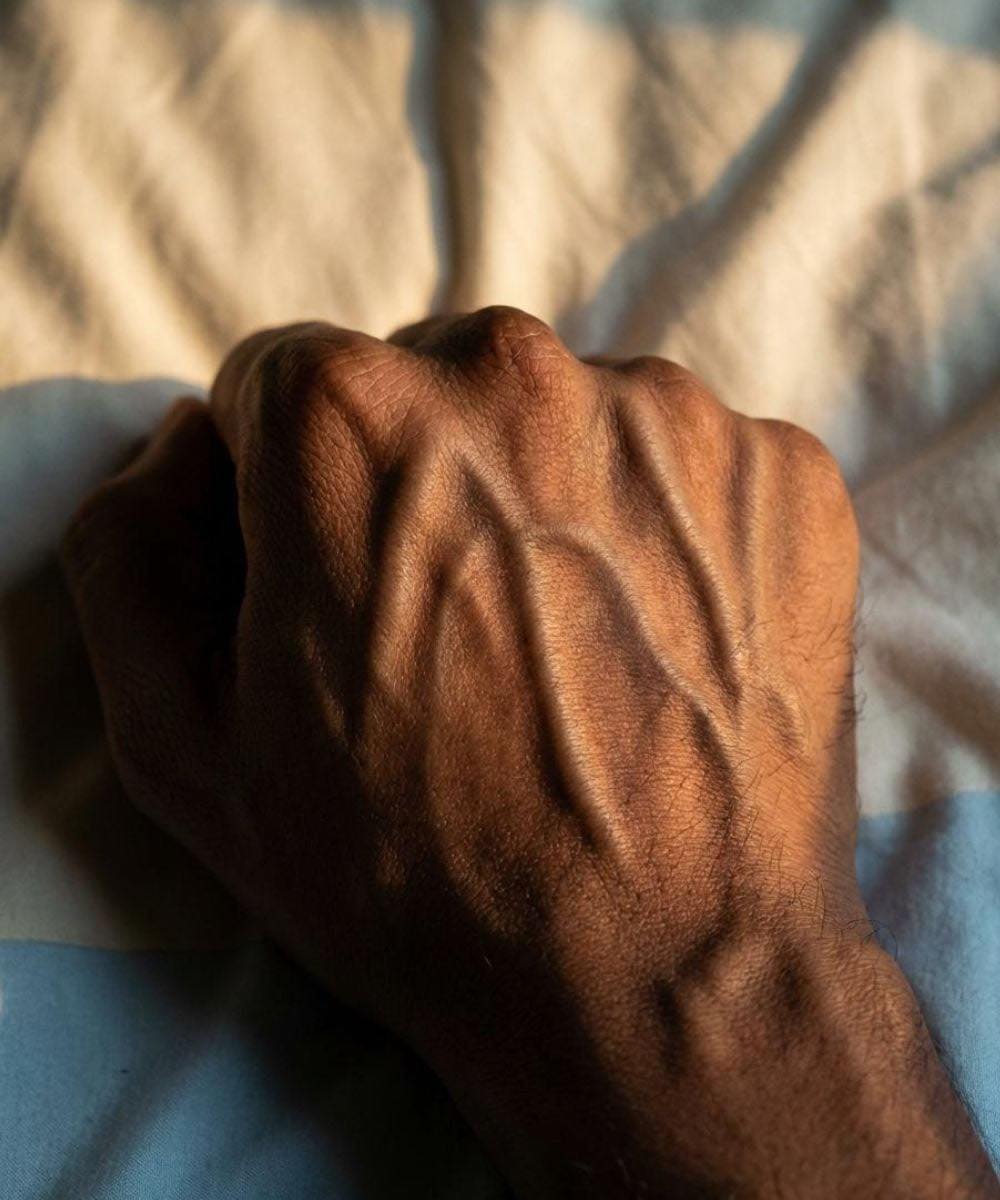
Body Temperature and Circulation
As part of your natural daily rhythm, body temperature can rise slightly later in the day. This can lead to a process called vasodilation, where blood vessels expand.
When veins expand, they may appear closer to the surface of the skin, making them more visible.
Lighting Differences
Lighting conditions also play a role. During the day, natural light tends to soften shadows and reduce contrast. In the evening, artificial lighting can create stronger shadows and highlights.
Because veins are darker than surrounding skin, this contrast can make them stand out more.
Effects of Daily Activity
After spending hours standing, sitting, or moving throughout the day, blood can temporarily collect more in certain areas of the body, especially the hands and legs. This can make veins appear fuller and more noticeable.
When you rest or lie down, this effect often decreases.
Muscle Relaxation
As your body relaxes in the evening, muscle tension reduces. This allows veins to expand more freely, which can also contribute to their appearance.
Hydration and Diet
Hydration levels can influence how veins look. Not drinking enough water during the day may affect circulation and make veins appear more prominent. Diet, including salt intake, can also play a role in fluid balance.
Individual Factors
Some people naturally have more visible veins than others. This can depend on factors such as:
- Skin tone and thickness
- Body composition
- Physical activity level
For example, individuals with lower body fat or those who exercise regularly may notice more visible veins.
When It’s Normal
In most cases, veins appearing more visible at night is temporary and harmless. The appearance often changes with rest, hydration, or cooler conditions.
When to Seek Advice
If visible veins are accompanied by symptoms such as pain, swelling, redness, or sudden changes in one area of the body, it may be helpful to consult a healthcare professional.
Final Thoughts
Changes in how your veins look throughout the day are a normal part of how the body functions. In the absence of other symptoms, increased visibility in the evening is usually nothing to worry about.