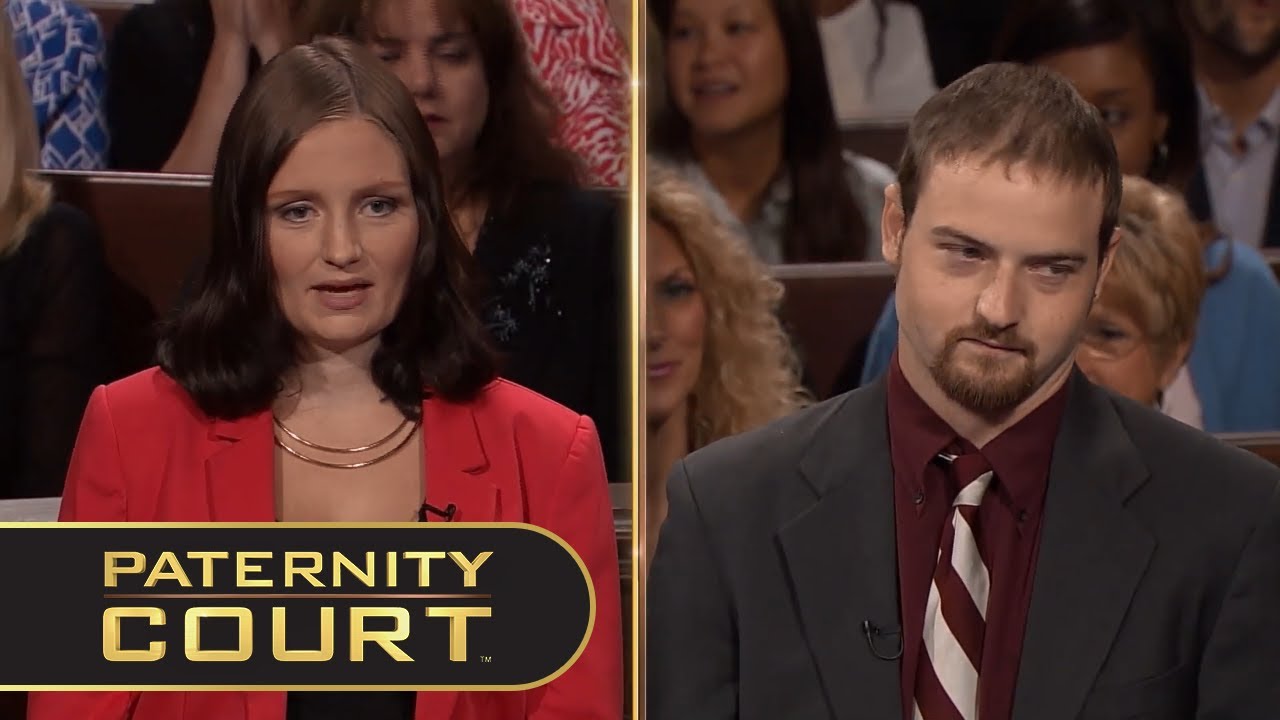
“I don’t know what to believe anymore,” he admitted. “If I was wrong about this, what else have I been wrong about?”
The woman acknowledged her mistake, describing it as a lapse in judgment rather than a reflection of her feelings. She expressed regret and insisted that her actions didn’t define the entire relationship. But for her partner, the damage was already done.
As tensions escalated, the focus shifted to the child at the center of the conflict. Seeking clarity, the man requested a paternity test, hoping to replace uncertainty with facts. What had once been a private relationship issue now carried legal and emotional consequences that extended beyond the couple.
Inside the courtroom, emotions ran high. Both individuals shared their perspectives—one trying to explain a mistake, the other struggling to process betrayal and doubt. The question of paternity became symbolic of something larger: the search for truth in a relationship where trust had been broken.
This situation highlights how quickly one decision can alter the course of a family’s future. Infidelity doesn’t just affect two people—it can create ripple effects that impact children, stability, and long-term emotional well-being.
As the case moved toward resolution, one thing became clear: while a test can determine biological truth, it cannot instantly repair emotional wounds. Rebuilding trust takes time, effort, and a willingness from both sides to confront what happened honestly.
Whether this couple finds a way forward together or apart, their experience serves as a powerful reminder of the importance of communication, accountability, and respect in any relationship.
FULL VIDEO:
What’s your take—can trust truly be rebuilt after betrayal, or does it change everything permanently? Share your thoughts and join the discussion.