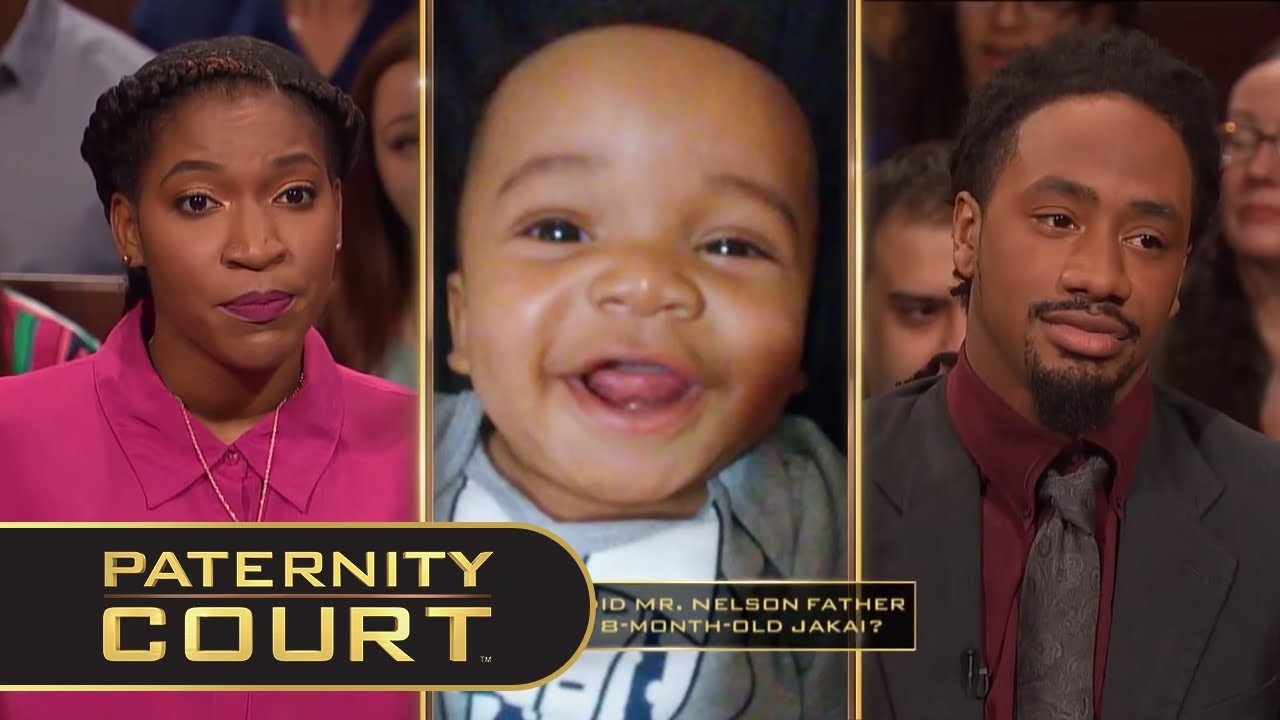
Across the courtroom, the man listens quietly, his posture guarded. While he doesn’t deny their past, he questions the present—specifically, whether he is the biological father of her 8-month-old son. He points to confusion during their time apart as the reason for his doubt.
“I’m not trying to be unfair,” he explains. “But I need certainty before I commit to something this serious.”
As the case unfolds, Judge Lauren Lake carefully navigates the emotional and legal layers of the situation. She reminds both parties that while DNA testing can confirm biology, it cannot repair broken trust or undo past mistakes.
“This court can give you answers,” she says, “but what you do with those answers is up to you.”
The mother opens up about the challenges she’s faced raising her child largely on her own. Beyond proving paternity, she admits she hopes for reconciliation—not just for herself, but for their child.
Her honesty begins to shift the tone in the room. The man softens slightly, acknowledging that he once imagined a life with her, but admits that repeated conflict damaged their connection.
When the moment arrives for the DNA results, the courtroom falls silent. The tension is unmistakable. Every person in the room understands that what comes next will have lasting consequences.
As the results are revealed, they bring clarity—but also emotion. Whether confirming or denying paternity, the truth forces both individuals to confront reality and decide how to move forward.
Judge Lake closes with a powerful reminder: regardless of the outcome, the child deserves stability, honesty, and care.
In the end, this case is about more than a test result. It’s about accountability, growth, and the difficult path toward healing after trust has been broken.
What do you think matters more in situations like this—biological truth or emotional commitment? Share your thoughts below and join the discussion.