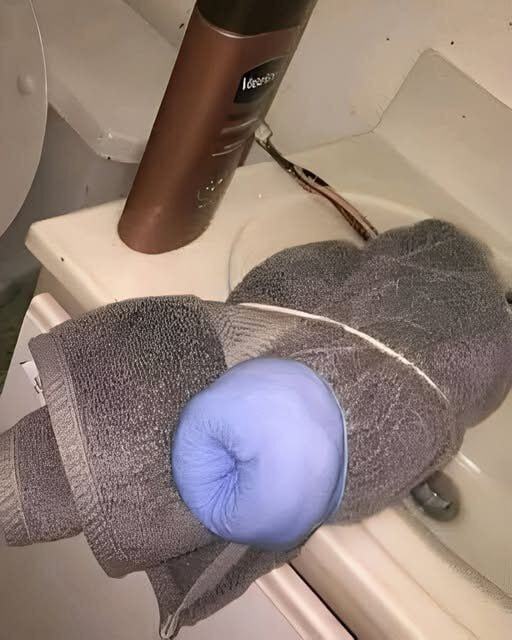
The Tiny Door Mystery: A Bathroom Discovery That Has the Internet Buzzing
Renovating a home is like peeling back layers of history. Behind modern paint, drywall, and fixtures lie traces of past lives, forgotten design quirks, and architectural oddities. For one couple documenting their project on Tiny House Zone on March 9, 2026, a routine bathroom remodel turned into an extraordinary discovery: a “door within a door.”
The homeowner, Johny Revokee, described the moment as utterly surreal. Nestled inside the main bathroom door was a miniature portal—so unexpected that it defied explanation. As images of the tiny door went viral, speculation, humor, and historical debate ignited across social media.
A Glimpse Into the Past
Architectural enthusiasts quickly offered theories. The most historically grounded: it might have been a “speakeasy” or wicket door. During Prohibition, such tiny openings allowed homeowners to check visitors without unlocking the full door. In a bathroom context, however, it sparked playful questions: was it designed for parents to peek on a child? Or did it serve some forgotten household function from decades past?
Others pointed to practical origins. Early 20th-century homes often included specialized portals—milk doors, coal chutes, ice hatches. Could this miniature door have been a ventilation hatch? Before modern HVAC and exhaust fans, managing airflow and moisture in bathrooms was a constant challenge. A small door might have offered privacy while allowing air to circulate.
The Curious Pin
The renovation also revealed a second oddity: a six-inch pin with a stone at one end. Initially baffling, online sleuths suggested it could be a structural or decorative tool, perhaps part of traditional joinery or a weighted pulley toggle. The internet had fun imagining it as a primitive exercise device. While likely mundane, it added another layer to the house’s story of forgotten features.
Why These Features Exist
Bathrooms themselves were once experimental spaces. The shift from outdoor privies to indoor plumbing brought new design challenges, prompting creative solutions. Mini doors could have served as service ports for plumbing, pet access, or other now-obsolete household needs.
This discovery taps into a broader fascination with hidden history. Each latch, compartment, or unusual door tells a story—decisions made decades ago by builders or residents, now preserved in wood, metal, and plaster. The “door within a door” is a tangible connection to a past shaped by practical needs, personal quirks, and architectural creativity.
Lessons for Modern Homeowners
As interest in tiny homes and historical renovations grows, more people are discovering that past generations often solved small-space problems with clever, albeit eccentric, solutions. Airflow, light, multi-functionality—they had already tackled challenges that today’s homeowners are only beginning to rediscover.
The tiny door in Johny Revokee’s son’s bathroom isn’t just a relic—it’s a conversation starter. Whether it was a speakeasy for a toddler, a ventilation hack, or the whim of an eccentric carpenter, it reminds us that homes carry hidden stories, and even ordinary spaces can hold extraordinary mysteries.
💬 Your Turn: Have you ever discovered a hidden feature or strange object during a home renovation? Share your story and pictures in the comments—we’d love to see your own hidden history!