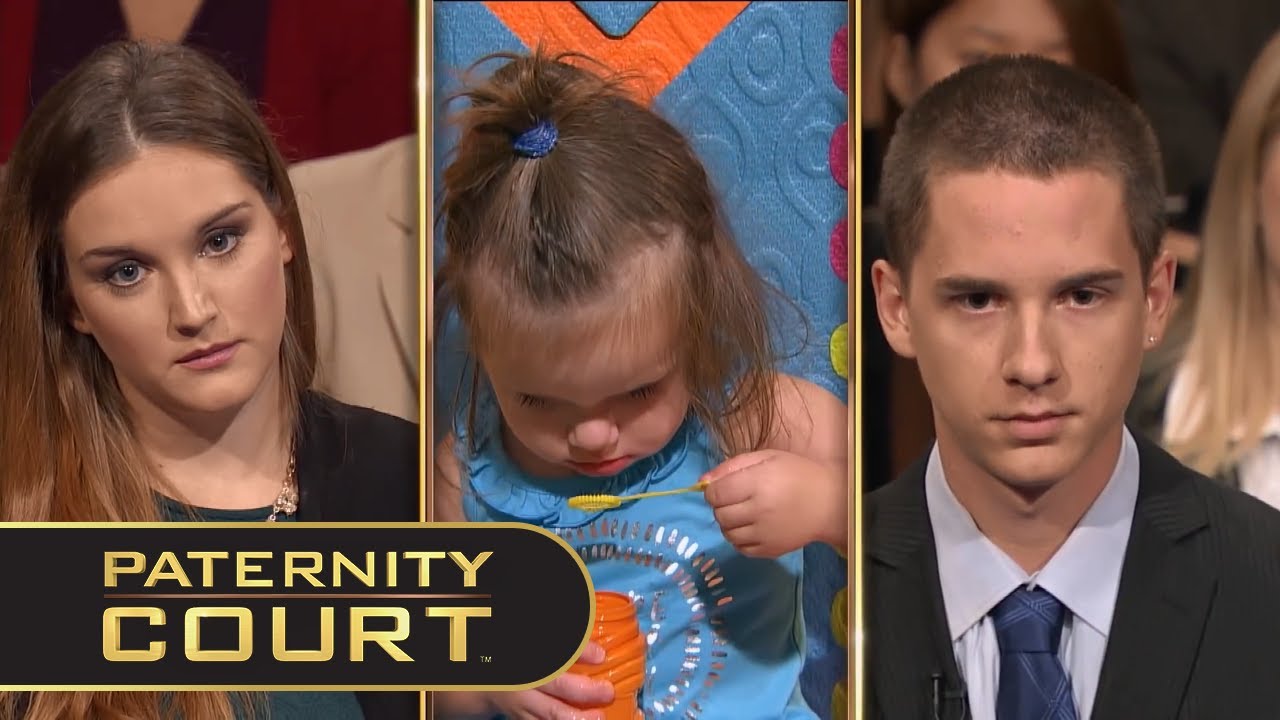
The young woman told the court she had fully committed herself to the relationship and believed they were building a real future together. However, after she became pregnant, the relationship took a dramatic turn. Instead of excitement, the pregnancy sparked arguments, insecurity, and growing suspicion.
The young man admitted that trust issues had haunted their relationship from the beginning. Rumors, jealousy, and emotional pressure slowly damaged the bond they once shared. As the challenges of young adulthood became overwhelming, he began questioning whether he was truly the biological father of the child.
His doubts created emotional distance between them and eventually pushed the conflict into the courtroom.
The woman passionately denied any accusations of infidelity. Fighting back tears, she explained how painful it had been to defend both her character and her child’s identity. For her, the DNA test represented more than proof—it was about protecting her child from years of uncertainty and judgment.
The man, however, maintained that he needed confirmation before fully embracing the role of fatherhood. He insisted his request for a paternity test was not about avoiding responsibility, but about finally finding peace after years of doubt.
As both shared their emotional testimonies, the courtroom fell silent.
The judge reminded the couple that the real focus of the case was the child’s future. Beyond the arguments and hurt feelings was a young life deserving of stability, honesty, and support.
When the DNA results were finally revealed, emotions immediately flooded the room. The truth brought clarity, but it also forced both parties to confront the emotional consequences of broken trust and unresolved insecurities.
For the young mother, the results delivered relief after years of defending herself. For the father, the outcome provided answers he had desperately sought, while also highlighting how damaging doubt can become when left unresolved.
This emotional case served as a powerful reminder that love alone is not always enough to sustain a relationship. Trust, maturity, and communication are equally important—especially when children are involved.
In the end, the courtroom delivered scientific truth, but healing the emotional wounds left behind would take much more time.
Do you think young couples face too much pressure when starting families early? Share your thoughts in the comments below.