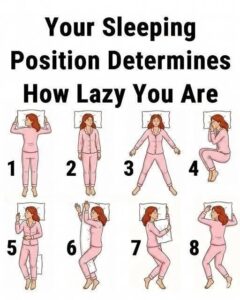
1. Side Sleeping: A Popular Choice for Comfort
Side sleeping is common among adults and can offer several practical benefits, depending on individual needs.
For some people, sleeping on the side helps maintain a comfortable spinal position. It may also reduce snoring in certain individuals, particularly when compared with sleeping flat on the back.
People who experience lower back discomfort sometimes find relief by bending their knees slightly and placing a pillow between them. This can help support a more comfortable position during the night.
Side sleeping may also be recommended during pregnancy, although the most appropriate position can depend on the stage of pregnancy and individual medical advice.
However, side sleeping isn't automatically comfortable for everyone. Remaining on one side for long periods can place pressure on the shoulder and hip, especially when the mattress or pillow doesn't provide suitable support.
A simple comfort tip: Choose a pillow that keeps your head and neck reasonably aligned with your spine. If your hips or lower back feel strained, try adjusting your knee position or placing a pillow between your knees.
Ultimately, the best position is one that supports comfortable, restful sleep without creating new aches or pressure points.
2. Back Sleeping: Does It Support Better Alignment?
Sleeping on your back can help some people maintain a relatively neutral head, neck, and spinal position.
When the mattress provides appropriate support and the pillow is the right height, this position may distribute body weight comfortably across the sleeping surface.
Some people also appreciate that back sleeping places less direct pressure on the face and may reduce contact between the skin and the pillowcase.
However, back sleeping isn't ideal for everyone.
For people who snore frequently or have obstructive sleep apnea, sleeping on the back can worsen breathing interruptions. In these cases, side sleeping may help, although it isn't a substitute for proper evaluation and treatment.
 Up Next: Page 3 of 5
Back sleeping can also feel uncomfortable for people with certain types of...
If you prefer this position, placing a pillow beneath your knees may help some people feel more comfortable by reducing tension around...
Continue Reading