Back sleeping can also feel uncomfortable for people with certain types of back pain.
If you prefer this position, placing a pillow beneath your knees may help some people feel more comfortable by reducing tension around the lower back.
As with other sleeping positions, personal comfort and any existing health conditions matter more than following a general rule.
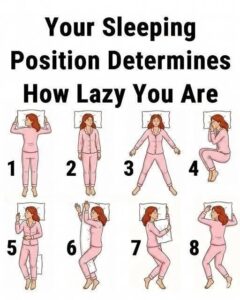
3. Stomach Sleeping: Comfortable for Some, Challenging for Others
Some people find it easiest to fall asleep on their stomach. If this is your preferred position, you may have become accustomed to the feeling over many years.
However, stomach sleeping can create challenges for the neck and back.
Because the head usually needs to turn to one side to allow breathing, the neck may remain rotated for an extended period. Depending on your posture and mattress, this can contribute to stiffness or discomfort.
Some people also experience pressure around the lower back.
If you regularly wake up with neck pain or stiffness, consider experimenting with a different position. Using a relatively thin pillow, or no pillow beneath the head if comfortable, may reduce the amount of neck elevation. A thin pillow beneath the pelvis may also help some stomach sleepers feel more comfortable.
You don't necessarily need to change positions if you sleep well and experience no discomfort. But persistent pain is worth discussing with a qualified healthcare professional.
4. The Fetal Position: Why Curling Up Feels Comfortable
The fetal position involves sleeping on your side with your knees bent toward your chest. Some people curl up tightly, while others keep their posture relatively relaxed.
 Up Next: Page 4 of 5
This position may feel reassuring simply because it is familiar and comfortable.
Keeping the knees slightly bent can also help some people find a comfortable sleeping posture, particularly when they use a supportive pillow...
Continue Reading